Dodson Service

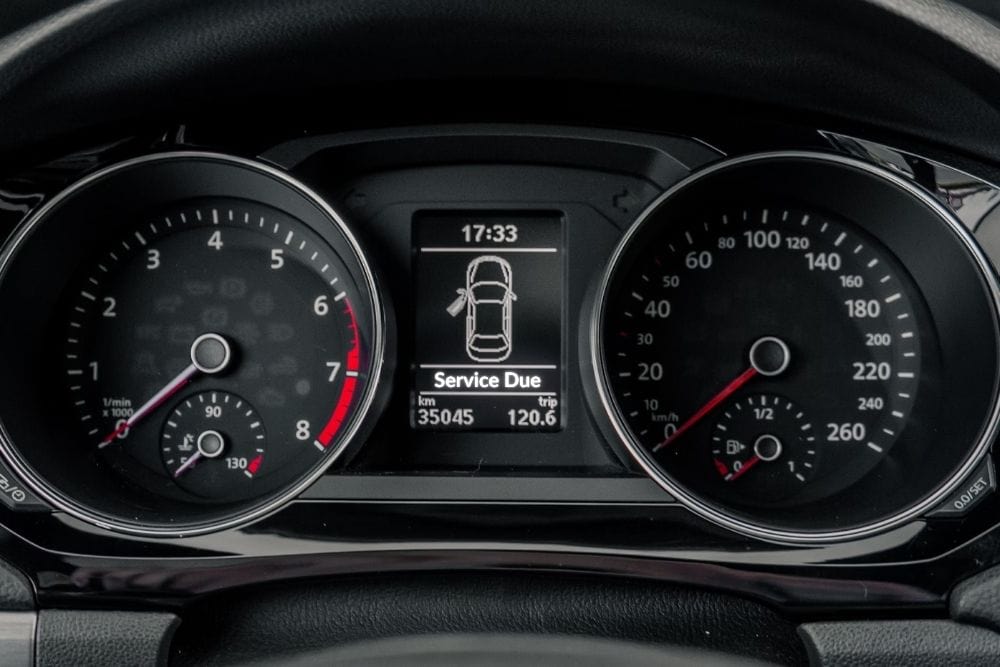
How to Reset the Service Light on Your Audi

Resetting the service light on your Audi is a straightforward process that every owner can master with the right guidance. This article will walk you through the complete process of resetting your Audi’s service indicator, covering different methods for various models and addressing common issues you might encounter during the reset procedure.

Manual Reset Through the Dashboard Display

The most common method for resetting your Audi’s service light involves using the dashboard controls and multi-information display. This process works for most Audi models from 2005 onwards and requires no special tools or equipment.

Start by ensuring your Audi is parked safely with the engine turned off and the ignition key removed. Insert the key back into the ignition but do not start the engine – turn it to the “ON” position where the dashboard lights illuminate but the engine remains off. Locate the trip odometer reset button, which is typically found on the instrument cluster or steering wheel controls depending on your specific Audi model.

Press and hold the trip reset button whilst simultaneously turning the ignition key to the start position. Continue holding the button for approximately 10-15 seconds until you see the service indicator begin to flash or display a reset confirmation message. The service light should then disappear from your dashboard, indicating a successful reset.

For newer Audi models with MMI (Multi Media Interface) systems, the process involves navigating through the onboard computer menus. Access the MMI system through the central control knob or touchscreen interface. Navigate to the “Car” menu, then select “Service & Checks” followed by “Service Intervals.” Choose “Reset Service Interval” and confirm your selection when prompted.

Model-Specific Reset Procedures

Different Audi models may require slightly varied approaches to service light resets. The A3, A4, and A6 models typically follow the standard procedure outlined above, whilst the Q5, Q7, and newer A8 models often utilise the MMI system exclusively.

For Audi TT models, you’ll need to access the Driver Information System (DIS) through the steering wheel controls. Use the left-hand stalk to navigate through the menus until you reach the service interval display. Press and hold the reset button on the end of the stalk until the display shows “Service Reset” confirmation.

RS and S-line performance models often feature additional service categories including oil change intervals and inspection schedules. These models may require separate reset procedures for each service category, which can be accessed through the same MMI navigation path but with additional sub-menu options.

Using Diagnostic Tools for Service Resets

Professional diagnostic scanners offer the most reliable method for resetting Audi service lights, particularly for newer models with complex electronic systems. These tools connect to your Audi’s OBD-II port, typically located beneath the dashboard on the driver’s side.

VCDS (VAG-COM Diagnostic System) is the gold standard for Audi diagnostics and service resets. This software connects to your vehicle’s control units and allows complete access to service interval settings. After connecting the interface cable, select your specific Audi model and navigate to the instrument cluster control unit. Access the adaptation channels to locate service interval settings and reset them to factory specifications.

Generic OBD-II scanners with manufacturer-specific functions can also perform service resets on most Audi models. These tools are more affordable than professional-grade equipment but may have limited functionality compared to specialised VAG diagnostic tools. Ensure your chosen scanner specifically supports Audi service reset functions before attempting the procedure.

Professional workshops and service centres utilise advanced diagnostic equipment that can reset multiple service categories simultaneously whilst checking for any underlying issues that might affect service intervals. This approach ensures comprehensive maintenance tracking and prevents premature service light activation due to system errors.

Troubleshooting Common Reset Issues

Service light resets occasionally fail due to various factors including timing, procedure errors, or electronic system malfunctions. If your initial reset attempt proves unsuccessful, verify that you’ve followed the exact sequence for your specific Audi model year and variant.

Battery voltage can significantly impact service reset procedures, particularly during cold weather or after extended parking periods. Ensure your Audi’s battery maintains adequate charge levels during the reset process, as low voltage can interrupt the procedure and prevent successful completion. Consider using a battery maintainer if your vehicle has been stationary for extended periods.

Some Audi models feature multiple service categories that require individual reset procedures. Engine oil service, inspection intervals, and brake fluid services may need separate attention. Check your owner’s manual to identify all applicable service categories for your specific model and year.

Electronic control unit faults can prevent successful service resets even when following correct procedures. If standard reset methods consistently fail, professional diagnostic scanning can identify communication errors or corrupted data within the instrument cluster or engine control modules.

Important Considerations for Service Reset Timing

Timing your service reset correctly ensures accurate maintenance scheduling and prevents premature service reminders. Only reset service lights immediately after completing the corresponding maintenance work, never before or significantly after service completion.

Different service categories operate on varying intervals based on mileage, time, or driving conditions. Oil change services typically reset to 10,000-15,000 kilometres or 12 months, whilst major inspections may extend to 30,000 kilometres or 24 months. Understanding these intervals helps maintain proper service scheduling and prevents confusion about when maintenance is actually due.

Severe driving conditions including frequent short trips, extreme temperatures, or dusty environments may require more frequent servicing than standard intervals. Your Audi’s onboard computer monitors driving patterns and may adjust service intervals accordingly. Resetting service lights without considering these factors can compromise engine longevity and performance.

Documentation of service resets and corresponding maintenance work helps maintain accurate service history records. This information proves valuable for warranty claims, resale value, and future maintenance planning. Keep detailed records of reset dates, mileage, and completed service work.

Professional Service Reset Benefits

Professional service centres offer expertise and specialised equipment that ensure accurate service resets whilst identifying potential issues before they become costly problems. Qualified technicians understand the intricacies of different Audi models and can perform comprehensive system checks alongside routine service work.

Advanced diagnostic equipment used by professional workshops can detect electronic faults that might interfere with service reset procedures. These tools also verify that all control units are communicating properly and that service interval data is correctly stored across multiple systems.

Professional service providers maintain detailed service histories and can advise on optimal maintenance schedules based on your specific driving patterns and vehicle usage. This personalised approach helps optimise performance whilst minimising unnecessary maintenance costs.

Warranty considerations often require professional documentation of service work and resets. Authorised service centres provide the necessary paperwork and system updates that maintain warranty coverage whilst ensuring compliance with manufacturer requirements.

Need Expert Help With Your Audi Service Reset?

Properly resetting your Audi’s service light ensures accurate maintenance tracking and optimal vehicle performance. Whether you’re comfortable performing the reset yourself or prefer professional assistance, understanding the process helps you make informed decisions about your vehicle’s care.

As an independent Audi service centre in Auckland, we can help you with Audi service resets and comprehensive maintenance. Our experienced technicians use professional diagnostic equipment to ensure accurate service light resets whilst providing expert care for your Audi. Contact our team today by calling 09 441 3635 to schedule your Audi service and reset appointment.
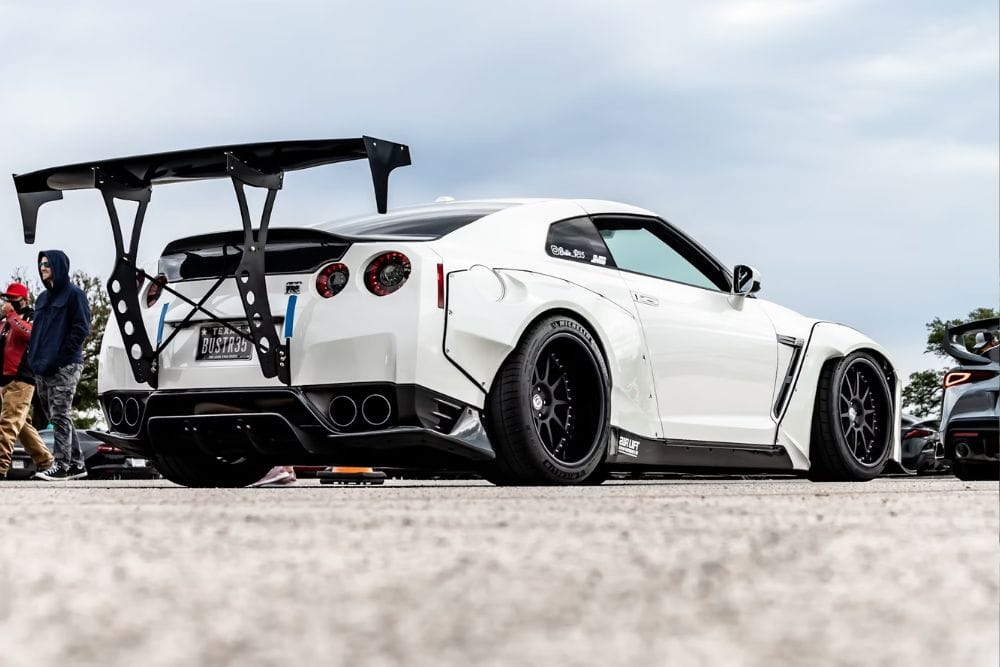

The Impacts of Nissan GTR Launch Control on Drivetrain Components: What You Need to Know

Launch control systems in the Nissan GTR are designed to deliver maximum acceleration from a standstill, but this aggressive technology places significant stress on various drivetrain components. Understanding how these systems affect your GTR’s mechanical parts is essential for maintaining optimal performance and preventing costly repairs.

How Launch Control Affects Your GTR’s Transmission

The dual-clutch transmission in your Nissan GTR bears the brunt of launch control abuse, experiencing forces far beyond normal driving conditions. When launch control engages, the transmission must handle instantaneous torque delivery of up to 632 Nm, creating immense pressure on clutch packs and hydraulic systems. The rapid engagement required during launch sequences causes accelerated wear on clutch friction materials, particularly affecting the odd and even clutch assemblies that alternate during gear changes.

Auckland’s performance car specialists regularly see GTRs with transmission issues directly linked to frequent launch control use. The hydraulic pumps work overtime during these launches, maintaining precise pressure whilst managing heat buildup that can degrade transmission fluid more rapidly than standard driving. Additionally, the mechatronic unit, which controls clutch engagement timing, experiences increased stress as it manages the precise coordination required for optimal launches.

The transmission’s ability to handle repeated launch control sessions depends heavily on proper maintenance and fluid quality. GTRs that undergo regular transmission services typically show better resilience to launch control stress, whilst neglected units often develop clutch slip, harsh shifts, or complete failure after extended aggressive use.

Impact on Drivetrain Components Beyond the Transmission

Your GTR’s all-wheel-drive system components face considerable stress during launch control activation, with the transfer case and differentials handling massive torque distribution. The front and rear differentials must instantly manage power split between wheels whilst maintaining traction, creating heat and mechanical stress that can lead to premature wear of differential oil seals and bearing assemblies. The transfer case, responsible for distributing power between front and rear axles, experiences shock loads that can affect its internal gearing and coupling mechanisms.

Driveshafts and CV joints also endure significant stress during launch sequences, particularly when launching on uneven surfaces or with varying tyre grip levels. The constant velocity joints must accommodate both rotational forces and angular movement whilst handling maximum torque output, leading to accelerated wear of joint components and protective boots. Half-shafts can develop stress fractures over time, especially in modified GTRs producing power levels beyond factory specifications.

Engine mounts and transmission mounts experience violent forces during launch control engagement, as the drivetrain attempts to rotate under extreme torque loads. These rubber and hydraulic mounts deteriorate more quickly with frequent launch use, leading to increased vibration and reduced driving comfort when they begin to fail.

Long-term Maintenance Considerations for Launch Control Users

Regular inspection and maintenance become critical for GTR owners who frequently use launch control features, as standard service intervals may not adequately address the accelerated component wear. Transmission servicing should occur more frequently than manufacturer recommendations, as launch control generates additional heat and contaminants that degrade fluid properties faster than normal driving conditions. High-quality synthetic fluids designed for extreme conditions can help protect internal components during aggressive use.

Differential servicing requires special attention in launch control-equipped GTRs, with gear oil changes needed at shorter intervals to maintain proper lubrication and cooling. The limited-slip differentials use specialized friction additives that break down under extreme stress, requiring replacement to maintain optimal traction characteristics. Regular inspection of drivetrain components can identify early warning signs of wear before catastrophic failures occur.

Auckland’s climate adds another consideration for GTR maintenance, as humidity can accelerate corrosion of metal components whilst temperature variations affect fluid viscosity and seal integrity. Performance car owners in Auckland should consider more frequent inspections during winter months when condensation can accumulate in drivetrain housings.

Performance Modifications and Launch Control Stress

Modified GTRs face even greater drivetrain stress when using launch control, as increased power output multiplies the forces acting on all drivetrain components. ECU tuning that raises boost pressure and timing can push engine output well beyond the drivetrain’s design limits, making launch control use potentially destructive to stock components. Upgraded turbochargers and supporting modifications create power levels that can overwhelm the standard dual-clutch transmission and all-wheel-drive system.

Owners considering performance modifications should evaluate their drivetrain’s ability to handle increased stress, particularly if they plan to continue using launch control features. Upgraded clutch packs, reinforced transmission cases, and stronger drivetrain components may be necessary to maintain reliability with modified power levels. Professional tuning that considers drivetrain limitations can help balance performance gains with component longevity.

The interaction between launch control programming and aftermarket modifications requires careful consideration, as some tuning approaches may not properly account for the aggressive nature of launch sequences. Proper calibration ensures that launch control remains functional whilst protecting upgraded drivetrain components from excessive stress.

Warning Signs of Launch Control-Related Wear

Recognising early symptoms of drivetrain stress can prevent minor issues from becoming major failures in launch control-equipped GTRs. Transmission-related symptoms include delayed engagement, harsh shifting between gears, or unusual noises during gear changes that indicate clutch pack wear or hydraulic system problems. Slipping during acceleration, particularly under full power, suggests clutch deterioration that requires immediate attention.

Differential problems often manifest as clicking noises during tight turns, vibration through the steering wheel, or uneven tyre wear patterns that indicate improper power distribution. Transfer case issues may cause binding sensations during parking manoeuvres or growling noises that increase with vehicle speed. Driveshaft problems typically present as vibration during acceleration or clicking sounds from the CV joints during turns.

Auckland GTR owners should pay particular attention to fluid leaks around drivetrain components, as seals and gaskets deteriorate faster under launch control stress. Dark or contaminated fluids indicate excessive heat generation or component wear that requires professional diagnosis. Any unusual noises, vibrations, or performance changes warrant immediate inspection by qualified technicians.

Need Expert GTR Servicing in Auckland?

Launch control technology delivers thrilling performance but demands proper maintenance and expert care to prevent expensive drivetrain failures. Regular servicing and component inspection are essential for GTR owners who want to enjoy their car’s full potential whilst maintaining reliability.

As Auckland’s premier performance car service centre specialising in high-end European, exotic and performance cars, Dodson provides expert Nissan GTR servicing and repairs. Our technicians understand the unique demands that launch control places on these sophisticated systems and can help maintain your GTR’s performance and reliability. Contact our team today by calling 09 441 3635 to schedule your GTR’s service.

Mercedes AMG Transmission Oil Contamination: Signs and Solutions

Mercedes AMGs are performance powerhouses that deserve meticulous maintenance, especially when it comes to transmission care. Transmission oil contamination is a common but often overlooked issue that can significantly impact your AMG’s performance and longevity. Understanding the warning signs and solutions can save you from costly repairs and maintain your vehicle’s optimal performance.

Signs of Transmission Oil Contamination in Mercedes AMG Vehicles

Transmission oil contamination doesn’t happen overnight, but when it occurs, it can cause serious damage to your AMG’s sophisticated transmission system. Being vigilant about the following warning signs can help you address issues before they escalate into major problems.

The most immediate indication is often a change in your vehicle’s shifting behaviour. If you notice your AMG hesitating before shifting gears or experiencing hard shifts that feel jerky or abrupt, contaminated transmission fluid could be the culprit. These symptoms typically worsen over time, beginning subtly but becoming more pronounced as contamination increases.

Unusual Noises and Vibrations

Contaminated transmission oil often manifests through distinct auditory and tactile warnings. Your Mercedes AMG might produce grinding, whining, or buzzing sounds during gear changes or whilst cruising. These noises occur because contaminated fluid cannot properly lubricate the transmission components, causing increased friction and wear.

Additionally, you might feel unusual vibrations through the gear selector or throughout the vehicle, particularly when shifting gears or accelerating. In advanced cases, you might even experience a shuddering sensation, almost like driving over a rumble strip, especially when accelerating from a stop. These symptoms should never be ignored in a high-performance vehicle like an AMG.

Visual and Performance Indicators

Visual inspection can reveal important clues about transmission oil contamination. Healthy transmission fluid in Mercedes AMG vehicles typically has a clear red colour. If your transmission fluid appears brown, black, or contains visible particles, this indicates contamination. The presence of a burnt smell is particularly concerning, as it suggests the fluid has broken down due to excessive heat.

Performance decline is another key indicator. You might notice decreased acceleration response, unexplained reduction in fuel efficiency, or the transmission slipping out of gear whilst driving. The transmission control module might trigger warning lights on your dashboard, including the check engine light or specific transmission fault indicators. Modern AMG models have sophisticated monitoring systems that can detect abnormal transmission behaviour before catastrophic failure occurs.

Common Causes of Transmission Oil Contamination

Understanding what causes transmission oil contamination can help you prevent issues before they begin. Mercedes AMG vehicles, with their high-performance capabilities, are particularly susceptible to certain types of contamination due to the extreme conditions they sometimes operate under.

Normal wear and tear is perhaps the most common source of contamination. As your transmission’s internal components wear down over time, tiny metal particles are shed into the fluid. This is a natural process, but excessive metal particles can accelerate wear and damage precision components. High-performance driving, which AMG vehicles are designed for, can accelerate this process due to higher operating temperatures and stresses on the transmission.

External Contaminants and System Failures

Water contamination presents a serious threat to your transmission’s health. It can enter the system through damaged seals, during improper service procedures, or even condensation that forms during temperature fluctuations. Water in the transmission fluid reduces lubrication effectiveness and can cause corrosion of internal components.

Cooling system failures are particularly relevant for Mercedes AMG models. Many AMGs use transmission coolers to maintain optimal operating temperatures. If these systems fail or the transmission fluid-to-coolant heat exchanger develops leaks, coolant can mix with transmission fluid, creating a particularly damaging form of contamination that can lead to transmission failure.

In some cases, contamination occurs due to improper maintenance practices. Using incorrect fluid specifications, neglecting recommended service intervals, or improper service procedures can introduce contaminants or create conditions where contamination is more likely to occur. This is why specialist service for performance vehicles like AMGs is crucial.

Solutions for Transmission Oil Contamination

Addressing transmission oil contamination in your Mercedes AMG requires a methodical approach based on the severity of the issue. Early intervention is always preferable, as it can prevent more extensive damage and costly repairs.

For minor contamination caught early, a standard transmission service might be sufficient. This typically involves draining the contaminated fluid, replacing the transmission filter, and refilling with fresh, manufacturer-approved transmission fluid. Mercedes AMG vehicles often require specific fluid formulations that maintain proper friction characteristics for their performance-oriented transmission systems.

Advanced Treatment Options

For severe contamination, particularly when there’s evidence of metal particles or when the transmission has been damaged, a transmission rebuild or replacement might be necessary. This is a major service that involves disassembling the transmission, inspecting all components, replacing damaged parts, and reassembling with new seals, gaskets, and fresh fluid.

If your AMG has a dual-clutch transmission (DCT) or AMG SPEEDSHIFT transmission, specialised service procedures are required. These sophisticated transmission systems have unique maintenance needs and require technicians with specific experience in high-performance Mercedes transmissions.

Preventative Maintenance to Avoid Contamination

Preventing transmission oil contamination is far more cost-effective than treating it after the fact. A proactive maintenance approach is especially important for high-performance vehicles like Mercedes AMGs, which place greater demands on their transmission systems.

Following the manufacturer’s recommended service intervals is the foundation of preventative maintenance. Mercedes-Benz typically recommends transmission service every 40,000 to 60,000 kilometres for AMG models, though this can vary based on the specific model and driving conditions. High-performance driving, frequent short trips, or towing may require more frequent service intervals.

Quality Components and Driving Habits

Using only manufacturer-approved transmission fluids is essential for AMG vehicles. These specialised fluids are formulated with the precise friction characteristics and heat tolerance required for high-performance transmissions. Aftermarket fluids may not meet these exacting standards, potentially compromising transmission function and longevity.

Adjusting your driving habits can also help prevent contamination. Allowing your transmission to warm up properly before aggressive driving, avoiding extended periods of high-speed driving in extremely hot conditions, and using the vehicle’s paddle shifters appropriately can all reduce stress on the transmission system.

Regular diagnostic checks can catch early signs of contamination before they cause significant damage. Modern AMG models have sophisticated onboard diagnostics that can identify transmission issues before they become noticeable to the driver. Having these systems checked periodically by specialists who understand Mercedes AMG transmissions can save you from expensive repairs down the road.

Get Expert Transmission Care for Your Mercedes AMG

Maintaining your Mercedes AMG’s transmission is crucial for preserving both performance and value. As specialists in high-performance and exotic vehicles in Auckland, Dodson offers expert transmission services specifically tailored to Mercedes AMG vehicles.

Our team has extensive experience with AMG’s sophisticated transmission systems, including DCT, SPEEDSHIFT, and traditional automatic transmissions. We use only manufacturer-approved fluids and components, ensuring your vehicle receives the highest quality care. For professional Mercedes AMG servicing in Auckland, contact our team today by calling 09 441 3635 or email service@dodsonmotorsport.com to schedule your appointment.

Porsche IMS Bearing Issues: Everything You Need to Know

The Porsche IMS bearing is a sealed ball bearing that supports the intermediate shaft in M96 and M97 flat-six engines, and it is prone to failure in models built between 1997 and 2008. Affected models include the 986 Boxster, 996 and early 997 generation 911, and the 987 Boxster and Cayman. When this bearing fails, it typically causes catastrophic engine damage that can cost $20,000 to $40,000 to repair. This guide covers which specific models are at risk, why the bearing fails, what warning signs to watch for, and what replacement solutions are available to prevent failure before it happens.

Which Porsche Models Have IMS Bearing Problems?

The IMS bearing problem affects water-cooled Porsche flat-six engines produced between 1997 and 2008. The level of risk varies depending on which bearing type was fitted to your specific engine, with single-row bearings from 2000 to 2005 carrying the highest failure rates.

986 Boxster (1997 to 2004)

The first-generation Boxster was the initial model to use the problematic IMS bearing design. All engine variants (2.5-litre, 2.7-litre, and 3.2-litre) are affected. Early 986 models from 1997 to 1999 were fitted with a dual-row bearing, while 2000 to 2005 models switched to a single-row bearing with a considerably higher failure rate. Auckland owners with 986 Boxsters should understand this distinction, as it directly affects which replacement solution is appropriate for their car.

996 Generation 911 (1999 to 2005)

All non-Turbo, non-GT variants of the 996 generation 911 are affected by IMS bearing issues, including the Carrera, Carrera 4, and their S variants. These cars use the same M96 engine and IMS bearing as the Boxster. Cars from 1999 to 2000 typically had the dual-row bearing, while 2000 to 2005 models used the weaker single-row design that was the subject of the Eisen class action lawsuit against Porsche.

987 Boxster and Cayman (2005 to 2008)

The 987 generation continued to use an IMS bearing, though Porsche fitted a larger, non-serviceable design from 2006 onwards. The 2005 model year is a transitional period where either bearing type may be present. For 2006 to 2008 models, the failure rate is estimated at around one per cent or less, but the bearing cannot be replaced without complete engine disassembly.

997 Generation 911 (2005 to 2008)

Early 997 models with the M97 engine are also affected by IMS bearing issues. From 2006 onwards, these cars received the larger non-serviceable bearing with a significantly lower failure rate than earlier single-row bearing models.

Which Porsche Models Are Not Affected?

Turbo, GT2, and GT3 variants use the Mezger engine, which has oil pressure-fed plain bearings on the intermediate shaft and does not suffer from the same IMS failure issues. All Porsche models from 2009 onwards use the 9A1 engine, which eliminates the intermediate shaft entirely by driving the camshafts directly from the crankshaft.

Why Do Porsche IMS Bearings Fail?

The primary cause of IMS bearing failure is inadequate lubrication due to a sealed bearing design that prevents engine oil from reaching the bearing surfaces.

The Sealed IMS Bearing Design

When Porsche introduced the M96 engine, the intermediate shaft was fitted with a sealed ball bearing that relied solely on factory-packed grease for lubrication. Unlike the Mezger engine’s oil pressure-fed plain bearings, this sealed design receives no fresh oil during operation. Over time, the grease breaks down, particularly in engines that sit unused for extended periods. Cars stored during Auckland’s cooler months without regular use are at increased risk, as the grease can separate from the bearing surfaces and corrosion can develop.

Single-Row vs Dual-Row IMS Bearing Failure Rates

The single-row IMS bearing used from 2000 to 2005 had a failure rate of up to eight per cent during warranty periods, according to information from the Eisen class action lawsuit filed against Porsche. Out-of-warranty failure rates are believed to be considerably higher. The dual-row bearing used in 1997 to 1999 models had a lower reported failure rate of approximately one per cent. From late 2005 onwards, the larger non-serviceable bearing further reduced the failure rate, though it did not eliminate the risk entirely.

How Do Driving Habits Affect IMS Bearing Life?

Short trips where the engine never fully reaches operating temperature can accelerate IMS bearing wear, as the grease may not reach the temperatures needed for proper distribution. Regular driving at varied engine speeds and allowing the engine to reach full operating temperature both help support bearing longevity. Sustained spirited driving is actually less harmful to the IMS bearing than short, low-rpm commutes, as higher temperatures and oil circulation provide better lubrication conditions.

What Are the Warning Signs of IMS Bearing Failure?

IMS bearing failure often occurs without any warning, which is why most specialists recommend proactive replacement rather than monitoring. However, there are several possible indicators that owners and mechanics should watch for.

Metal Debris in Engine Oil

Metallic particles found in the engine oil or trapped in the oil filter during servicing can indicate IMS bearing degradation. Some specialists recommend cutting open the oil filter at each oil change to inspect for fine metal particles. Oil analysis through a laboratory can also detect elevated levels of iron and copper. However, by the time metal appears in the oil, bearing damage may already be occurring.

Unusual Engine Noises

A rattling, knocking, or ticking sound from deep within the engine, particularly during cold starts or at idle, can indicate a failing IMS bearing. An oil leak from the rear of the engine near the bell housing area may also be related. If you notice any unusual sounds or leaks, having a Porsche specialist inspect the car immediately is strongly recommended, as catching the problem early can sometimes prevent complete engine destruction.

What Happens When an IMS Bearing Fails Completely?

A complete IMS bearing failure typically destroys the engine within seconds. When the bearing disintegrates, the intermediate shaft loses its support and metal debris circulates throughout the engine. The camshafts lose their drive connection, causing valve timing to fail, and in severe cases, valves contact pistons. Metal fragments damage other bearings, score cylinder walls, and can destroy the oil pump. Engine rebuilds after IMS bearing failure can cost $20,000 to $40,000 at Auckland workshops, and insurance typically does not cover this type of mechanical breakdown.

What Are the Best IMS Bearing Replacement Options?

Three main aftermarket solutions address the IMS bearing design flaw, each with different cost, longevity, and maintenance requirements. All are designed to be installed proactively before the original bearing fails.

Ceramic Hybrid Ball Bearing Retrofit

This is the most widely used solution. It replaces the factory sealed bearing with a dual-row ceramic hybrid ball bearing that removes the grease seals, allowing engine oil to cool and lubricate the bearing directly. It is designed for 1997 to 2005 models where the bearing is accessible with the transmission removed. This option typically carries a recommended replacement interval of around six years or 75,000 miles, meaning it is a maintenance item rather than a permanent fix.

Cylindrical Roller Bearing Retrofit

This option uses a cylindrical roller bearing with integrated thrust capability. Like the ceramic hybrid, it provides improved load capacity and allows engine oil to lubricate the bearing. Replacement intervals are similar to the ceramic hybrid option, and it is available for the same model years.

Oil Pressure-Fed Plain Bearing (Permanent Fix)

This is considered the only truly permanent solution to the IMS bearing problem. It replaces the sealed ball bearing with an oil pressure-fed plain bearing that mirrors the design used in the Mezger engines found in Turbo, GT3, and GT2 models. The plain bearing requires no service interval and is designed for the life of the engine. While it is the most expensive option, it completely eliminates the IMS bearing as a future concern.

Grease Seal Removal for 2006 to 2008 Models

For 2006 to 2008 models with the non-serviceable bearing, having the grease seal removed during clutch replacement allows engine oil to reach the bearing surfaces. This does not replace the bearing but provides better lubrication than the factory sealed design.

When Should You Replace Your IMS Bearing?

Proactive replacement before failure is strongly recommended by most Porsche specialists. The 60,000 to 100,000 kilometre range is generally considered an ideal window, though cars with unknown maintenance history or irregular use may benefit from earlier replacement. If you have recently purchased a used Porsche from the affected model years without documented IMS bearing replacement, it should be one of your first maintenance priorities.

Combining IMS Bearing Replacement With Other Work

IMS bearing replacement requires the transmission to be removed, so many owners combine it with clutch replacement to reduce overall labour costs. Having the rear main seal replaced at the same time is also commonly recommended, as it is otherwise difficult to access.

Oil Change Practices That Support IMS Bearing Health

While oil changes alone cannot prevent IMS bearing failure, using high-quality synthetic oil that meets Porsche’s specifications and changing it more frequently than factory intervals is strongly recommended. Many specialists suggest oil changes every 5,000 kilometres or six months, whichever comes first, for affected models.

What to Check When Buying a Used Porsche From Affected Model Years?

When buying a used Porsche that is one of the affected models, ask the seller for documentation confirming whether the IMS bearing has been replaced, and what type of replacement was fitted. Cars with a documented IMS bearing upgrade typically command higher resale values. If no record of replacement exists, factor the cost into your purchase decision and have a Porsche specialist carry out a pre-purchase inspection, including an oil filter inspection for metal debris.

Frequently Asked Questions About Porsche IMS Bearings

Can You Drive a Porsche With a Failing IMS Bearing?

No. If you suspect IMS bearing failure, stop driving the car immediately and have it transported to a specialist. Continued driving can turn a partial failure into complete engine destruction within seconds.

How Much Does IMS Bearing Replacement Cost?

IMS bearing replacement typically costs between $3,000 and $6,000 in Auckland, including parts and labour. The exact cost depends on the type of replacement bearing chosen and whether you have a manual or Tiptronic transmission. This is a fraction of the $20,000 to $40,000 that a full engine rebuild can cost after bearing failure.

Does Porsche Cover IMS Bearing Failure Under Warranty?

Porsche settled the Eisen class action lawsuit related to IMS bearing failures, but standard manufacturer warranty coverage for these models has long since expired. Insurance policies typically classify IMS bearing failure as a mechanical breakdown and do not provide cover.

Is the IMS Bearing Issue Overblown?

The IMS bearing is a genuine design concern that has caused documented engine failures. While the failure rate varies by bearing type (from roughly one per cent for dual-row and later non-serviceable bearings to up to eight per cent for single-row bearings under warranty), the catastrophic nature of the failure and the relatively low cost of preventative replacement make proactive action a sensible decision for most owners.

Need Help With Your Porsche IMS Bearing?

The IMS bearing issue affects a wide range of Porsche models, but with the right preventative approach, it does not have to result in catastrophic engine failure. As an independent Porsche service centre in Auckland, Dodson Motorsport has extensive experience with IMS bearing assessment, replacement, and ongoing Porsche maintenance. Our team can evaluate your car’s specific needs and recommend the best solution for your situation. Contact us today by calling 09 441 3635 or emailing service@dodsonmotorsport.com to discuss IMS bearing preventative maintenance for your Porsche.

How Often Do You Need to Do Engine Carbon Cleaning?

Engine carbon build-up is a silent performance killer that affects even the most meticulously maintained performance vehicles. This unwanted carbon accumulation forms naturally in all engines, especially with direct injection, gradually restricting airflow, reducing power, and affecting the overall driving experience that owners of high-performance and exotic cars value so highly.

In this post, we will cover how often you should perform engine carbon cleaning to keep your engine at optimal performance.

How Often Should You Clean Carbon From Your Engine?

The frequency of engine carbon cleaning depends on several factors including your vehicle’s make and model, driving habits, and the quality of fuel used. However, for most performance and exotic vehicles, industry recommendations suggest the following guidelines:

Direct Injection Engines

For high-performance vehicles with direct injection engines, carbon cleaning is typically recommended every 30,000 to 50,000 kilometres. These engines are particularly prone to carbon build-up on intake valves since the fuel doesn’t wash over them during normal operation. Signs that your direct injection engine might need carbon cleaning include rough idling, hesitation during acceleration, and a noticeable decrease in power output.

Many Auckland drivers of newer European performance cars with direct injection systems may notice these symptoms appearing even earlier than expected due to our unique stop-start driving conditions and fuel quality.

Port Injection and Older Performance Engines

For performance vehicles with port injection systems or older performance engines, carbon cleaning can generally be scheduled at wider intervals—typically every 60,000 to 80,000 kilometres. These engines benefit from fuel washing over the intake valves, which provides some natural cleaning action. However, they still accumulate carbon deposits in the combustion chambers and on other internal components.

Signs Your Performance Engine Needs Carbon Cleaning

Rather than relying solely on kilometre intervals, watch for these tell-tale signs that your high-performance vehicle might be suffering from excessive carbon build-up:

Performance Degradation

The most noticeable symptom for owners of performance and exotic cars is a gradual loss of power and responsiveness. Carbon deposits restrict airflow and disrupt the carefully engineered air-fuel mixture, resulting in sluggish acceleration and reduced top-end power—precisely what performance car enthusiasts want to avoid.

For Auckland drivers who enjoy taking their performance vehicles on weekend drives through the Waitakere Ranges or up north to Whangarei, this power loss might be particularly noticeable when tackling hills or attempting quick overtaking manoeuvres.

Rough Idling and Misfires

Carbon build-up can cause uneven idle and engine misfires, particularly noticeable when your exotic or performance car is warming up in the morning. If your BMW M3, Porsche 911, or Audi RS model is exhibiting unusual vibrations or an uneven idle, carbon deposits could be the culprit.

These symptoms are often more pronounced in Auckland’s cooler winter mornings when engines are already running less efficiently. The combination of cold starts and carbon deposits can make for a particularly rough idle until the engine reaches operating temperature.

Reduced Fuel Economy

Performance car owners might notice their already thirsty vehicles becoming even more fuel-inefficient. Carbon deposits disrupt the combustion process, leading to wasted fuel and more frequent stops at the petrol station. While not the primary concern for many exotic car enthusiasts, it’s certainly an indicator that your engine could benefit from carbon cleaning.

In Auckland’s stop-and-go traffic conditions, particularly during peak hours on motorways like the Northern or Southern Motorway, this reduced efficiency becomes even more pronounced and costly.

The Importance of Engine Carbon Cleaning for Performance Vehicles

High-performance and exotic cars are particularly susceptible to carbon build-up issues.

These sophisticated machines are engineered for optimal performance, making them more sensitive to even minor decreases in efficiency. Carbon deposits form on intake valves, injectors, and combustion chambers, restricting airflow and fuel delivery—critical factors for maintaining the peak performance these vehicles are designed to deliver.

For direct-injection engines, which have become increasingly common in modern performance cars, carbon build-up is an even more significant concern. Since fuel is sprayed directly into the combustion chamber rather than onto the back of the intake valves, these valves don’t benefit from the natural cleaning effect of the fuel. This means carbon accumulates faster and more aggressively on the intake valves in direct-injection engines, creating a more pressing need for regular carbon cleaning.

The unique driving patterns of many performance car owners in Auckland can also accelerate carbon build-up. Short trips around the city without allowing the engine to reach optimal operating temperature, stop-and-go traffic on congested roads, and even occasional track days can all contribute to faster carbon accumulation compared to consistent highway driving.

Different Types of Engine Carbon Cleaning Methods

There are several approaches to removing carbon deposits from performance engines, each with varying levels of effectiveness and invasiveness:

Chemical Cleaning

Chemical cleaners introduced through the intake system can help break down carbon deposits. While less invasive and more affordable, this method is generally less effective for severe carbon build-up common in high-performance direct injection engines. It’s best suited as a preventative measure rather than a solution for heavy carbon accumulation.

Walnut Blasting

This method involves using crushed walnut shells as a blasting medium to physically remove carbon deposits from intake valves and ports. It’s particularly effective for direct injection engines where carbon build-up on intake valves is a common issue. The process requires removing the intake manifold to access the valves directly—a job best left to specialists familiar with performance and exotic vehicles.

For owners of high-end European cars in Auckland, walnut blasting provides a thorough cleaning without the risks associated with harsh chemicals that might damage sensitive engine components.

Hydrogen Cleaning

Hydrogen cleaning introduces hydrogen gas into the engine, which reacts with carbon deposits to break them down. This method can be effective for maintenance cleaning and can reach areas that other methods might miss. It’s becoming increasingly popular for high-performance vehicles due to its non-invasive nature.

In Auckland’s humid climate, hydrogen cleaning offers the additional benefit of helping to remove moisture-related deposits that can form in engines during our rainy seasons.

Preventing Excessive Carbon Build-up in Performance Engines

While periodic carbon cleaning is necessary for maintaining optimal performance, there are steps Auckland performance car owners can take to minimise carbon build-up:

Regular Spirited Driving

The Italian approach to maintenance—the “Italian tune-up”—involves regularly driving your vehicle at higher RPMs. This helps increase exhaust temperatures, which can burn off some carbon deposits before they accumulate excessively. Auckland’s nearby rural roads and highways provide perfect opportunities for these occasional higher-RPM drives.

When safely done on appropriate roads, giving your exotic or performance car a chance to “breathe” by running it through the rev range can help maintain performance between professional carbon cleanings.

Quality Fuel

Using high-quality fuel can significantly reduce carbon build-up. Premium fuels from reputable stations often contain better detergent additives that help keep engine internals cleaner. For performance and exotic vehicles in Auckland, always opt for the highest-octane fuel available, as recommended by your vehicle’s manufacturer.

Regular Engine Oil Changes

Fresh engine oil contains additives that help prevent carbon accumulation. Following the manufacturer’s recommended oil change intervals—or even more frequent changes for heavily-driven performance vehicles—can help reduce carbon build-up.

For high-performance engines operated in Auckland’s varied conditions—from coastal drives to urban commuting—regular oil changes with the correct specification oil are particularly important for long-term engine health.

Why Professional Carbon Cleaning is Essential for Performance Vehicles

While DIY products exist in the market, professional carbon cleaning is strongly recommended for high-performance and exotic vehicles for several reasons:

Specialised Equipment

Professional services use specialised equipment designed specifically for effective carbon removal without damaging sensitive engine components. This is particularly important for high-value exotic and performance cars where improper cleaning methods could lead to costly damage.

Expertise with Performance Engines

Technicians experienced with performance and exotic vehicles understand the unique characteristics and requirements of these sophisticated engines. They know where carbon typically accumulates in specific models and how best to address it.

At Dodson Motorsport, our technicians specialise in high-performance and exotic vehicles, ensuring your prized possession receives the appropriate care during the carbon cleaning process.

Comprehensive Assessment

Professional carbon cleaning services include a thorough assessment of your engine’s condition before and after cleaning. This helps identify any related issues that might need attention and confirms the effectiveness of the cleaning process.

Get Expert Engine Carbon Cleaning for Your Performance Vehicle in Auckland

If you’re experiencing symptoms of carbon build-up in your high-performance or exotic vehicle, proper maintenance is essential to restore and preserve its performance. As Auckland’s premier service centre for performance and exotic vehicles, Dodson Motorsport provides expert engine carbon cleaning services using the most effective methods for your specific vehicle.

Our team specialises in servicing high-performance and exotic cars including Lamborghinis, Audis, BMWs, Nissan GTRs, McLarens, Mitsubishi Evos, Mercedes AMGs, Porsches, Toyota Supras, and Volkswagens. We understand the unique requirements of these sophisticated machines and provide services that ensure optimal performance and longevity.

Don’t let carbon build-up rob your performance vehicle of its power and responsiveness. Contact Dodson Motorsport today at 09 441 3635 or service@dodsonmotorsport.com to schedule your engine carbon cleaning service at our Wairau, Auckland workshop. Our expert team will ensure your prized vehicle continues to deliver the exhilarating performance it was designed for.

Volkswagen DSG Mechatronic Failure Symptoms – Warning Signs to Watch

The Dual Clutch Transmission (DSG) in Volkswagen vehicles is renowned for its smooth, lightning-fast gear changes and improved fuel efficiency. However, the mechatronic unit—the sophisticated electronic control system that manages the DSG gearbox—can develop issues over time. Being aware of early warning signs can save you from costly repairs and potentially dangerous driving situations.

Early Warning Signs of DSG Mechatronic Unit Failure

Gear Engagement Problems

One of the most telling signs of a failing mechatronic unit is when your vehicle feels like it’s in neutral at a stop, despite being in Drive. This symptom often progresses rapidly, leaving you with a gearbox that won’t respond properly. If you notice your Volkswagen struggling to engage gears, particularly first gear when moving from a standstill, this should immediately raise concerns.

Missing gears is another critical warning sign, with many Volkswagen owners reporting they suddenly can’t access odd-numbered gears or reverse. This issue is particularly common in the DQ381 transmission found in vehicles like the Tiguan. You might find your vehicle temporarily recovers normal functioning after being switched off and restarted, but the problem typically returns with increasing frequency.

Unusual Shifting Behaviour

Jerky gear changes are a clear indicator that something might be wrong with your mechatronic unit. While DSG transmissions are designed to deliver seamless shifts, a failing mechatronic unit can cause harsh, unpredictable, or delayed gear changes that disrupt your driving experience.

Surging in drive or reverse, lurching off the line from a stop, and harsh downshifts, particularly from second to first gear, are common symptoms reported by Volkswagen owners experiencing mechatronic issues. These symptoms can be particularly noticeable when the vehicle is warming up or after extended driving periods when the transmission becomes hot.

Dashboard Warnings

Perhaps the most unmistakable sign of a DSG mechatronic failure is the flashing of P-R-N-D-S lights on your dashboard, often accompanied by the gearbox shifting into neutral. This safety feature is designed to prevent further damage to the transmission when a serious fault is detected.

Many drivers report seeing dashboard messages stating “Don’t drive” or “Gearbox in reduced mode” or “Gearbox emergency mode” before receiving a diagnosis of mechatronic unit failure. These warning messages should never be ignored, as continuing to drive could lead to complete transmission failure.

Intermittent Issues That Worsen Over Time

Mechatronic problems typically begin as intermittent issues that temporarily resolve when the vehicle cools down. You might notice that your DSG transmission functions normally during short trips but develops problems during longer journeys when the system heats up.

Without intervention, these intermittent problems invariably become more permanent with time. What starts as an occasional glitch can rapidly develop into a complete failure of the transmission system, leaving you stranded.

Diagnosing Mechatronic Unit Issues

Diagnostic Fault Codes

When a DSG transmission develops problems, the vehicle’s onboard diagnostic system will typically store fault codes that can be read with appropriate diagnostic equipment. Common fault codes associated with mechatronic failure include those related to clutch position sensors, pressure control solenoids, and mechatronic module interference. A qualified technician with specialized diagnostic tools can accurately determine if your transmission issues stem from the mechatronic unit.

Professional Assessment

Early detection of DSG issues is crucial to preventing further damage. The mechatronic unit controls virtually every aspect of the transmission’s operation, so problems can manifest in various ways. Only a thorough assessment by a specialist with experience in Volkswagen DSG systems can determine the exact nature of the issue and the most appropriate solution.

Differential Diagnosis

Not all DSG transmission problems are caused by mechatronic unit failure. In some cases, issues with the clutch pack, valve body, or solenoids might present similar symptoms. A comprehensive diagnosis helps avoid unnecessary part replacements and ensures that the actual problem is properly addressed.

Common Causes of Mechatronic Unit Failure

Electrical Issues

The mechatronic unit contains sensitive electronic components that can fail due to electrical issues. Internal wiring problems within the control unit can cause communication failures between the transmission control unit (TCU) and other vehicle systems. These electrical faults often result in the transmission entering a fail-safe mode.

Hydraulic System Failures

Solenoid valve problems within the mechatronic unit are a frequent cause of DSG transmission issues. When these valves malfunction, they can lead to delayed engagement, juddering, and other performance problems. The high-pressure hydraulic system is essential for proper clutch engagement and gear selection, so any component failure in this system can significantly impact transmission operation.

Oil Contamination and Leaks

Leaks in the mechatronic unit are unfortunately common for DSG owners and are usually traced back to issues with the gasket within the system. The transmission fluid serves not only as a lubricant but also as a hydraulic medium and coolant. Contamination or insufficient fluid levels can lead to overheating and increased wear on mechatronic components.

Manufacturing Defects

Some DSG transmission issues stem from manufacturing defects that haven’t been addressed at the production level. This means that even replacement units directly from the manufacturer might be prone to developing the same problems. Many independent specialists now offer rebuilt mechatronic units with upgraded components designed to eliminate these inherent weaknesses.

What to Do When You Suspect Mechatronic Issues

Don’t Ignore the Warning Signs

If you notice any of the symptoms described above, it’s important to address them promptly. Ignoring these warning signs can lead to more extensive damage to your transmission system. What starts as a relatively simple mechatronic issue can develop into a situation requiring a complete transmission replacement if left unchecked.

Seek Specialist Assistance

When experiencing DSG transmission problems, it’s crucial to have your vehicle checked by experts without delay. Specialists with dealer-level diagnostic equipment can accurately identify potential faults with the mechatronic unit or other components. They can also determine whether a repair or replacement is the most appropriate solution.

Consider Repair Options Carefully

If your mechatronic unit requires replacement, you’ll typically have several options:

  1. Dealer replacement – Often the most expensive option, usually with a limited warranty period.
  2. Remanufactured unit – Many specialists now offer rebuilt units that address the original design flaws, often with longer warranties than factory replacements.
  3. Repair of specific components – In some cases, only certain parts of the mechatronic unit may need to be replaced rather than the entire assembly.

Preventative Maintenance

Regular maintenance is crucial for prolonging the life of your DSG transmission. The DSG transmission requires fluid changes at specific intervals—40,000 miles for DQ500 units and 80,000 miles for DQ381 units. Following these service schedules can help prevent mechatronic issues before they develop.

DSG Mechatronic Issues by Model

Volkswagen Golf/Audi A3 (DQ200 7-Speed)

The DQ200 mechatronic unit is known for causing gear change problems, with symptoms including pressure-related issues and failure to engage gears. This dry-clutch variant has been particularly problematic in older models.

Volkswagen Tiguan (DQ381/DQ500)

The DQ381 mechatronic failure is extremely common in Tiguan models, causing symptoms such as missing odd gears, intermittent loss of gears, and the vehicle entering limp mode. The DQ500, generally found in diesel Tiguans, has different service requirements but can experience similar issues.

Volkswagen Jetta/Passat

Owners of these models with the 7-speed DSG transmission have reported sudden failure without warning signs, often manifesting as the car stalling or refusing to move despite the engine running. Some have experienced repeated mechatronic failures even after repairs.

Get Expert Assistance at Dodson Motorsport

As Auckland’s premier Volkswagen service centre, we at Dodson Motorsport specialise in DSG transmission servicing including diagnosing and resolving mechatronic issues across a wide range of Volkswagen models. Our technicians are highly trained in the intricacies of DSG mechatronic systems and use advanced diagnostic equipment to accurately identify problems.

We understand the frustration and inconvenience that transmission issues can cause, which is why we offer comprehensive DSG servicing and repair solutions. Whether you’re experiencing early warning signs or dealing with a complete mechatronic failure, our team can provide expert advice and quality repairs.

Don’t wait until your transmission fails completely. If you notice any of the warning signs mentioned in this article, contact Dodson Motorsport today on 09 441 3635 or email service@dodsonmotorsport.com to schedule a diagnostic appointment. Our transmission specialists are committed to keeping your Volkswagen performing at its best.

The Ultimate Guide to Porsche Engine Bore Scoring Issues

Porsches are renowned for their exceptional engineering and performance. However, like any high-performance vehicle, they can develop specific mechanical issues over time. One of the most notorious problems affecting certain Porsche engines is bore scoring. If you own a Porsche in Auckland, understanding this issue could save you from costly engine failures and help you maintain your vehicle’s performance for years to come.

What Causes Bore Scoring in Porsche Engines

Bore scoring refers to vertical scratches or grooves that develop on the cylinder walls of an engine. In Porsche engines, particularly the M96 and M97 flat-six engines found in 996 and 997 generation 911s, Boxsters, and Caymans, this issue is relatively common. The problem occurs when there is inadequate lubrication between the cylinder walls and the pistons, causing metal-to-metal contact that damages the cylinder bores.

Several factors contribute to bore scoring in Porsche engines. The aluminium construction of these engines, while excellent for weight reduction, is softer than traditional iron blocks and more susceptible to scoring. Additionally, the Nikasil coating used on cylinder walls can wear over time, especially with improper oil maintenance or when subjected to high temperatures and pressures during spirited driving.

Another significant factor is the cylinder design itself. Porsche’s horizontally-opposed (boxer) engine layout means that oil can pool in the lower cylinders when the car sits for extended periods, leaving upper cylinders with insufficient lubrication during cold starts. This is particularly problematic in New Zealand’s variable climate, where temperature fluctuations can exacerbate these issues.

Identifying Signs of Bore Scoring in Your Porsche

Recognising the early symptoms of bore scoring can help prevent catastrophic engine failure.

One of the first signs is unusual engine noise, particularly a distinct ticking sound that increases with engine temperature. This noise often results from the pistons making contact with the damaged cylinder walls.

Reduced performance and power loss are also common indicators. As the cylinder walls become scored, compression decreases, and the engine cannot produce the same power output as before. You might notice this as sluggish acceleration or a general feeling that your Porsche isn’t as responsive as it once was.

Oil consumption is another critical warning sign. If your Porsche begins using more oil than usual between services, this could indicate that oil is bypassing the piston rings due to cylinder wall damage. Regular oil level checks are essential for Auckland Porsche owners, as our hilly terrain and winding roads can put additional stress on engines.

Smoke from the exhaust, particularly blue smoke, indicates that oil is entering the combustion chambers. This is often a late-stage symptom of bore scoring and suggests significant damage has already occurred. If you notice blue smoke coming from your Porsche’s exhaust, especially during acceleration after idle, it’s crucial to have your engine inspected immediately by a specialist such as our team at Dodson.

Preventative Measures for Auckland Porsche Owners

Preventing bore scoring starts with proper maintenance and driving habits. Regular oil changes with high-quality, Porsche-approved oils are essential. In Auckland’s diverse driving conditions, from city traffic to motorway cruising, maintaining proper oil levels is particularly important.

Warm-up procedures can significantly reduce the risk of bore scoring. Allow your engine to reach operating temperature before driving aggressively, especially on cold Auckland mornings. The gentle warm-up allows oil to properly circulate throughout the engine, ensuring all components receive adequate lubrication.

Using the correct oil viscosity for New Zealand’s climate is crucial. Many Auckland Porsche owners operate their vehicles year-round, from warm summer days to cool winter mornings. Consulting with a specialist who understands both Porsche engines and local driving conditions can help determine the optimal oil for your specific model and driving habits.

Regular compression and leakdown tests are valuable diagnostic tools for early detection of cylinder issues. These tests can identify problems before they develop into serious bore scoring, allowing for less invasive and less expensive repairs. At Dodson, we recommend annual compression testing for all Porsche owners, especially those with models known to be susceptible to bore scoring.

Advanced Solutions for Affected Engines

If your Porsche has already developed bore scoring, several repair options are available. The appropriate solution depends on the severity of the damage and your budget. For minor scoring, cylinder honing and new pistons might be sufficient. This process smooths out light scratches and restores the cylinder surface, allowing for proper sealing with new pistons and rings.

For more severe cases, cylinder replating or sleeving may be necessary. These processes involve either applying a new coating to the damaged cylinders or installing hard metal sleeves to create a more durable surface. While more expensive than honing, these repairs can extend engine life significantly and improve reliability.

In cases of extensive damage, a complete engine rebuild or replacement might be the most cost-effective long-term solution. While initially more expensive, a properly rebuilt engine can offer peace of mind and potentially enhanced performance with modern updates and improvements.

Many Porsche owners also consider preventative cylinder strengthening, even for engines without current issues. This proactive approach can be particularly valuable for those who use their vehicles for track days or spirited driving through New Zealand’s beautiful mountain passes.

Need Help Servicing Your Porsche Engine?

Regular maintenance by qualified specialists is your best defence against bore scoring and other engine issues. As Auckland’s premier independent Porsche service specialists, we at Dodson understand the intricacies of these magnificent engines and the specific challenges they face in New Zealand driving conditions.

Our team of expert technicians specialises in performance and exotic car servicing, including comprehensive diagnostics and repairs for Porsche engines affected by bore scoring. We use only the highest quality parts and fluids, ensuring your Porsche receives the care it deserves. If you’re concerned about bore scoring or want to establish a preventative maintenance plan for your Porsche, contact our team today by calling 09 441 3635 or email us at service@dodsonmotorsport.com.

Guide to Selecting the Right Brake Pads for Your Performance Car

Choosing the right brake pads for your performance vehicle is a critical decision that directly impacts your driving experience, safety, and vehicle performance. This comprehensive guide will help Auckland performance car owners understand how to select brake pads that match their driving style, vehicle specifications, and performance expectations.

Understanding Performance Brake Pad Materials

Performance brake pads come in various materials, each with specific characteristics suited for different driving conditions and vehicle types. The material composition significantly affects braking performance, durability, and cost.

Organic Brake Pads

Organic brake pads are made from materials like rubber, glass, and resins mixed with binding agents. These pads are generally quieter and produce less dust than other options, making them suitable for daily driving in Auckland’s urban conditions.

These pads offer excellent initial bite and are gentle on brake rotors. However, they typically have a shorter lifespan compared to other materials and may fade during aggressive driving or when brakes reach high temperatures on track days.

Semi-Metallic Brake Pads

Semi-metallic brake pads contain 30-65% metal content, including steel, copper, and iron. These pads are durable and provide consistent performance across a wide temperature range, making them ideal for Auckland drivers who occasionally take their performance cars to track days or drive enthusiastically on winding roads in the Waitakere Ranges or Coromandel Peninsula.

They provide excellent heat transfer capabilities, reducing the risk of brake fade during aggressive driving. The downside is they tend to be noisier and can accelerate rotor wear compared to organic options.

Ceramic Brake Pads

Ceramic brake pads are premium options made from ceramic fibres, bonding agents, and small amounts of metal. They offer exceptional performance for high-end European and exotic cars commonly serviced at Dodson.

These pads produce minimal dust, operate quietly, and provide consistent performance across varying temperatures. While they’re more expensive initially, their longer lifespan often makes them cost-effective for luxury performance vehicles like Porsches, Mercedes AMGs, and Audis.

Full Metallic Brake Pads

Full metallic or sintered brake pads contain 90% or more metal content. These high-performance pads are primarily designed for racing applications or extreme performance driving.

For Lamborghini or McLaren owners in Auckland who occasionally participate in track events, these pads offer unmatched stopping power and heat resistance. However, they’re loud, produce significant dust, and can wear rotors quickly, making them impractical for regular street driving.

Matching Brake Pads to Your Driving Style

Selecting brake pads that complement your specific driving habits ensures optimal performance and longevity of your braking system.

Street Driving

For Auckland commuters who primarily use their performance cars for daily driving, pads with lower dust and noise characteristics should take priority. Ceramic or premium organic compounds typically offer the best balance of performance and comfort for street applications.

These pads provide sufficient stopping power for occasional spirited driving while maintaining civilised behaviour in heavy traffic conditions common around the Auckland Harbour Bridge and Northern Motorway.

Track Day Enthusiasts

If you regularly participate in track days, prioritise brake pads with excellent heat management capabilities and fade resistance. Semi-metallic or racing compound pads typically offer the best performance under these demanding conditions.

These specialised pads can withstand the repeated hard braking events experienced during track sessions without compromising stopping power. Many Auckland performance car owners maintain a separate set of pads specifically for track use.

Mixed Usage

For drivers who use their performance vehicles for daily commuting but occasionally attend track events, a high-temperature ceramic or aggressive semi-metallic pad offers the best compromise. These pads provide adequate performance for both scenarios without requiring frequent changes.

Additional Factors When Choosing Performance Brake Pads

Beyond the basic material composition and driving style considerations, several other factors should influence your brake pad selection.

Vehicle Weight and Power

Heavier and more powerful vehicles generate more kinetic energy that must be dissipated through the braking system. Auckland’s numerous elevation changes and winding roads make this consideration particularly important.

Performance cars with substantial power outputs like the Porsche 911 Turbo or Mercedes AMG GT require brake pads capable of handling this additional thermal load. Premium ceramic or semi-metallic compounds specifically designed for high-performance applications are typically recommended for these vehicles.

Climate Considerations

Auckland’s relatively mild but often wet climate affects brake pad performance. Certain compounds perform better in wet conditions, providing more consistent stopping power during Auckland’s frequent rain showers.

Pads with higher initial cold bite are beneficial for Auckland’s temperate climate, as brakes rarely reach the extreme temperatures experienced in hotter regions except during track use.

Brake System Compatibility

Modern performance vehicles often feature sophisticated braking systems with specific requirements. For example, cars equipped with ceramic composite rotors may require specially formulated pads to prevent damage to these expensive components.

Performance cars with electronic brake distribution, brake-by-wire systems, or regenerative braking setups might have manufacturer-specific recommendations for pad compounds that ensure proper system function and sensor operation.

Warranty Implications

Some performance car manufacturers have specific requirements regarding brake components to maintain vehicle warranties. For exotic and high-end European vehicles common in Auckland’s affluent areas, maintaining proper service records with approved parts is particularly important for preserving resale value.

The Importance of Professional Installation and Bedding Procedures

Proper installation and bedding of new brake pads are critical for optimal performance and longevity. This process creates an even transfer layer between the pad and rotor surface, ensuring consistent braking performance.

The bedding procedure typically involves a series of controlled braking events from moderate speeds, gradually building heat in the system without coming to a complete stop. This critical process should be performed by experienced technicians familiar with performance brake systems.

Skipping this crucial step can result in uneven pad material deposits, brake judder, premature wear, and compromised stopping power – all particularly dangerous on Auckland’s varied road conditions from motorway driving to steep descents in areas like Titirangi.

Need Expert Brake Pad Advice for Your Performance Car?

Selecting the right brake pads involves balancing performance requirements, driving habits, and vehicle specifications. For Auckland performance car owners, consultation with specialists who understand both the technical aspects and local driving conditions provides valuable guidance.

As premium car service specialists in Auckland, we at Dodson Motorsport offer expert advice on brake pad selection for high-performance and exotic vehicles. Contact our team today by calling 09 441 3635 or emailing service@dodsonmotorsport.com to discuss the optimal brake pad solution for your performance car.

Are “Lifetime” Transmission Fluids Really Lifetime?

Many modern vehicles come with what manufacturers label as “lifetime” transmission fluid, suggesting you’ll never need to change it throughout your vehicle’s life. This claim sounds convenient and cost-effective, but is it truly accurate, especially for performance and luxury vehicles in Auckland’s driving conditions?

The Truth About “Lifetime” Transmission Fluids

When manufacturers advertise “lifetime” transmission fluids, what they’re actually referring to is the expected service life of the transmission under ideal conditions. In reality, this marketing term can be misleading for several reasons.

Transmission fluid, like any lubricant, degrades over time due to heat, friction, and contamination. Even the highest quality fluids break down as they age, losing their protective qualities and ability to properly lubricate the transmission’s complex components. For performance and exotic cars driven in Auckland, with our unique coastal environment and varying driving conditions, this degradation can happen even faster.

Most manufacturers define “lifetime” as around 160,000 to 200,000 kilometers. However, for high-performance vehicles like Lamborghinis, BMWs, and Porsches, pushing the transmission without proper fluid changes can lead to premature wear and costly failures long before reaching this milestone.

How Transmission Fluid Ages and Deteriorates

Transmission fluid doesn’t simply maintain its composition indefinitely. Several factors affect its longevity and performance capabilities, especially in high-performance vehicles.

Heat Exposure

The primary enemy of transmission fluid is heat. Dual-clutch transmissions (DCTs) and other performance transmissions operate at higher temperatures, particularly when driven enthusiastically or in stop-and-go Auckland traffic. Each time the fluid exceeds optimal temperature ranges, its molecular structure begins to break down, reducing its effectiveness and protective qualities.

Performance cars with powerful engines generate significantly more heat than standard vehicles, accelerating fluid degradation even further. Without regular replacement, these thermal cycling events gradually diminish the fluid’s ability to protect critical components.

Contamination and Debris

As your transmission operates, tiny metal particles and clutch material gradually accumulate in the fluid. Even with the best filtration systems, these contaminants eventually affect fluid performance and can accelerate wear on precision components.

In exotic and performance vehicles with advanced DCT systems like those found in modern AMGs, Porsches, and McLarens, even minimal contamination can compromise shifting performance and long-term reliability.

Additive Depletion

Modern transmission fluids contain sophisticated additive packages that prevent corrosion, reduce friction, and maintain proper viscosity across varying temperatures. These additives are consumed during normal operation and cannot replenish themselves.

Over time, crucial additives that protect your transmission’s expensive components become depleted, leaving your transmission vulnerable to accelerated wear and potential failure—especially problematic in high-torque performance applications common in exotic vehicles.

The Real-World Consequences of Not Changing “Lifetime” Fluids

Ignoring transmission fluid changes can have serious implications, particularly for performance vehicle owners in Auckland.

Diminished Shifting Performance

One of the first signs of degraded transmission fluid is reduced shifting quality. In performance cars with DCT systems like PDK, DSG, or SST transmissions, this manifests as delayed engagement, harder shifts, or hesitation during gear changes. These symptoms not only diminish your driving experience but indicate increasing wear on internal components.

Performance vehicles rely on precise hydraulic pressure and fluid quality to execute rapid gear changes. As fluid degrades, these precision systems operate less efficiently, directly impacting performance and driver enjoyment.

Accelerated Component Wear

Worn transmission fluid loses its ability to properly lubricate critical moving parts. In high-performance transmissions, which operate under significant stress, this leads to accelerated wear on bearings, gears, and clutch packs.

The complex valve bodies and solenoids in modern transmissions like those found in Lamborghinis, GTRs, and AMGs are particularly susceptible to contamination from degraded fluid, potentially leading to erratic operation and expensive repairs.

Catastrophic Failures

In the worst cases, severely degraded transmission fluid can lead to complete transmission failure. For exotic and performance vehicles, replacement costs can be extraordinarily high—often tens of thousands of dollars for vehicles like McLarens, Porsches, and high-end BMWs.

These failures typically occur without warning and almost always at the most inconvenient times, potentially leaving you stranded and facing significant repair bills that could have been avoided with proper maintenance.

The Importance of Regular Transmission Service for Performance Vehicles

For high-performance and exotic car owners in Auckland, regular transmission maintenance is even more crucial than for standard vehicles.

Specialised Fluid Requirements

Most performance and exotic cars require specific transmission fluids with unique properties designed for their advanced transmission systems. These specialised fluids maintain precise clutch engagement, manage higher operating temperatures, and provide enhanced protection for high-torque applications.

Using incorrect fluids or allowing specialised fluids to age beyond their effective lifespan can compromise transmission performance and longevity. Vehicles with DCT systems like PDK, DSG, and SST are particularly sensitive to fluid condition and specification.

Environmental Factors in Auckland

Auckland’s coastal environment introduces additional considerations for transmission maintenance. Salt air exposure can accelerate component corrosion, while our varied terrain—from city driving to winding coastal roads—places additional demands on transmission systems.

These environmental factors make regular fluid changes even more important for Auckland drivers, particularly those with performance vehicles that may see occasional track use or spirited driving along our scenic routes.

Performance Benefits of Fresh Transmission Fluid

Beyond preventing failures, regular transmission fluid changes deliver tangible performance benefits. Fresh fluid ensures optimal shift timing, maximum power transfer, and responsive gear changes—all critical factors in enjoying your performance vehicle as intended.

For dual-clutch transmissions common in modern performance cars, fluid condition directly impacts shift speed and smoothness. Regular maintenance ensures your vehicle maintains factory-specified performance characteristics throughout its life.

Recommended Service Intervals for Performance Transmissions

Despite manufacturer claims about “lifetime” fluids, experienced specialists recommend much more frequent service intervals for high-performance vehicles.

General Guidelines

For most performance and exotic cars in Auckland driving conditions, transmission fluid should be changed every 40,000 to 60,000 kilometers, regardless of manufacturer “lifetime” claims. Vehicles used in more demanding applications may require even more frequent service intervals.

This preventative approach is considerably more cost-effective than addressing transmission problems after they develop, particularly given the expensive nature of performance transmission repairs.

Tracking Early Warning Signs

Pay attention to subtle changes in transmission behavior, such as delayed engagement when cold, reluctance to shift at specific RPMs, or unusual sounds during gear changes. These early warning signs often indicate the need for transmission service regardless of kilometer intervals.

Modern performance transmissions are sophisticated systems that communicate problems through subtle changes in behavior long before catastrophic failures occur. Learning to recognize these signs can save Auckland performance car owners significant expense.

Need Expert Transmission Service for Your Performance or Exotic Car?

Regular transmission maintenance is essential for preserving your high-performance vehicle’s reliability, performance, and value, regardless of manufacturer claims about “lifetime” fluids.

As Auckland’s premier performance car service centre, we at Dodson specialise in transmission servicing for exotic and high-performance vehicles including Lamborghinis, Porsches, AMGs, GTRs, and more. Our expertise with DCT, DSG, SST, and PDK transmissions ensures your vehicle receives the proper care it deserves. Contact our team today by calling 09 441 3635 or email service@dodsonmotorsport.com to schedule your transmission service and protect your valuable investment.

How Often Do You Need to Change Diff Oil?

Regular maintenance is essential for keeping your performance vehicle running at its best. While engine oil changes are a common part of vehicle maintenance, differential oil changes are often overlooked despite being crucial for your car’s performance and longevity.

When to Change Your Differential Oil

For most standard vehicles, differential oil should be changed every 50,000 to 100,000 kilometres. However, for high-performance and exotic cars like Lamborghinis, Porsches, and Nissan GTRs, more frequent changes are necessary. These performance vehicles typically require differential oil changes every 30,000 to 50,000 kilometres due to the increased stress placed on the differential system during spirited driving.

The frequency of differential oil changes also depends on your driving habits. If you regularly take your car to track days at Hampton Downs or Taupo, you should consider changing your differential oil more frequently, potentially every 20,000 kilometres. The high temperatures and stress generated during track use cause the oil to break down faster, reducing its protective qualities.

Luxury European vehicles with sophisticated all-wheel-drive systems, such as Audi Quattro models, often have more complex differential setups that require specialised attention. These vehicles may have multiple differentials, including front, rear, and centre units, each needing proper maintenance to ensure optimal performance and prevent costly repairs.

Signs Your Differential Oil Needs Changing

Unusual Noises

One of the most common indicators that your differential oil needs changing is unusual noises coming from your vehicle. If you hear whining, grinding, or howling sounds, especially during turns or when accelerating, it could signal that your differential is not properly lubricated. Auckland’s varied terrain, from the harbour bridge to the winding roads of the Waitakere Ranges, can expose these issues during regular driving.

These noises occur because worn or contaminated differential oil fails to provide adequate lubrication between the gears, leading to metal-on-metal contact. Ignoring these warning signs can result in severe damage to your differential components, particularly in high-performance vehicles that put significant stress on these systems.

Vibration and Handling Issues

If you notice vibrations or handling issues, particularly during cornering or acceleration, your differential oil might be past its prime. Performance cars rely on their differentials to deliver power smoothly to the wheels, and compromised differential oil can significantly impact this function.

For Auckland drivers with luxury performance vehicles, these handling issues can be particularly noticeable when navigating the city’s diverse road conditions, from the smooth motorways to the steep inclines of suburban areas. Proper differential maintenance ensures your exotic or performance car delivers the precise handling characteristics it was designed for.

Factors Affecting Differential Oil Change Frequency

Driving Conditions in Auckland

Auckland’s unique driving environment presents specific challenges for performance vehicles. The stop-start traffic in the CBD, combined with the opportunity for higher-speed driving on the Northern or Southern Motorways, creates varying loads on your vehicle’s differential.

Additionally, the humidity in Auckland’s climate can lead to condensation within the differential housing, potentially contaminating the oil. These local environmental factors make regular differential oil changes even more critical for Auckland-based performance car owners.

Vehicle Usage

How you use your performance vehicle significantly impacts your differential maintenance needs. Towing or carrying heavy loads puts additional strain on the differential, as does aggressive acceleration or frequent high-speed driving—both common with performance car enthusiasts.

For those Auckland drivers who use their cars for weekend track events at local circuits, the differential experiences extreme conditions that standard maintenance schedules don’t account for. In these cases, more frequent differential oil changes are essential to maintain performance and prevent premature wear.

Vehicle Age and Mileage

Older performance vehicles or those with higher mileage may require more frequent differential oil changes. As differentials age, seals can become less effective, allowing contaminants to enter the system or permitting oil leaks that reduce the lubricant level.

Many Auckland collectors and enthusiasts maintain classic or vintage performance cars that need specially formulated differential oils and more frequent service intervals. These older vehicles often have less sophisticated differential designs that are more susceptible to wear without proper maintenance.

Types of Differential Oil for Performance Vehicles

Synthetic vs Conventional Oils

For high-performance and exotic vehicles, synthetic differential oils offer superior protection and performance compared to conventional oils. Synthetic oils maintain their viscosity better under extreme temperatures and provide improved lubrication during the high-stress situations that performance cars routinely experience.

While synthetic oils typically cost more than conventional options, they often last longer and provide better protection for your valuable differential components. This makes them the preferred choice for exotic cars like Lamborghinis or high-performance BMWs and Mercedes AMGs that frequent Auckland roads.

Viscosity Considerations

Choosing the right viscosity for your differential oil is crucial for optimal performance. Different vehicles require specific viscosities based on their design, intended use, and the manufacturer’s recommendations. Using the wrong viscosity can lead to inadequate lubrication or excess drag on the differential components.

Auckland’s relatively mild climate means that extreme temperature considerations are less critical than in some regions, but performance cars still generate significant heat during operation. Specialist performance car service centres understand the specific requirements for each performance vehicle make and model, ensuring the correct differential oil is used during service.

Consequences of Neglecting Differential Oil Changes

Premature Wear and Failure

Neglecting differential oil changes can lead to premature wear of critical components, including the ring and pinion gears, bearings, and thrust washers. Once these components are damaged, repair costs can be substantial, especially for exotic and high-performance vehicles with specialised parts.

For Auckland drivers with vehicles like McLarens or Audi R8s, the cost of repairing a damaged differential can be particularly high due to the specialised nature of these components and the expertise required to work on such vehicles. Regular differential oil changes represent a small investment compared to the potential repair costs.

Reduced Performance

Performance vehicles are designed to deliver precise handling and power distribution. Degraded differential oil can compromise these characteristics, resulting in reduced acceleration, poor cornering ability, and generally disappointing performance from your prized vehicle.

Auckland’s diverse driving environments, from urban streets to scenic coastal roads, highlight the importance of maintaining optimal vehicle performance. Regularly changing your differential oil ensures your performance car continues to deliver the driving experience it was designed for.

Increased Fuel Consumption

A poorly lubricated differential creates additional resistance within the drivetrain, forcing the engine to work harder and consume more fuel. While performance car owners may not prioritise fuel economy, unnecessary consumption represents inefficiency that can be easily addressed through proper maintenance.

With Auckland’s fuel prices among the highest in New Zealand, even modest improvements in efficiency can result in noticeable savings over time, particularly for daily-driven performance vehicles.

Need Expert Differential Service for Your Performance Car?

Proper differential maintenance is essential for preserving the performance, reliability, and value of your high-end vehicle. Regular oil changes at the appropriate intervals will help ensure your differential components remain in optimal condition throughout your ownership experience.

As Auckland’s premier service centre for performance and exotic vehicles, we at Dodson provide specialist transmission servicing for a wide range of high-performance cars, including Lamborghinis, Audis, BMWs, Nissan GTRs, McLarens, Mercedes AMGs, Porsches, and more. Our team understands the unique requirements of these sophisticated vehicles and uses only the highest quality oils and components. Contact our team today by calling 09 441 3635 or emailing service@dodsonmotorsport.com to schedule your differential service.