
Dodson Service

What Is the Best Engine Carbon Cleaner?

Best carbon cleaner for engines

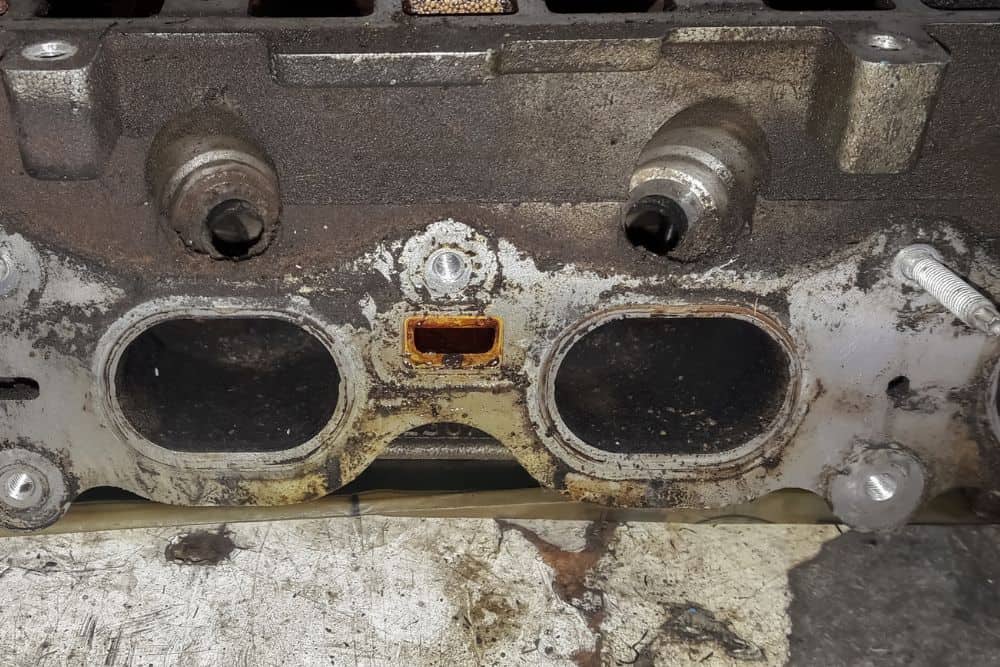
Engine carbon cleaning is crucial for maintaining optimal vehicle performance and longevity. Over time, carbon deposits can accumulate in critical engine components such as intake valves, combustion chambers, and fuel injectors. This can lead to reduced fuel efficiency, sluggish acceleration, increased emissions, and even engine knocking. For car owners in Auckland, understanding the best engine carbon cleaning options is key to ensuring their vehicles run smoothly.

In this guide, we will explore the top engine carbon cleaners available, how they work, and what makes them effective.

The Best Engine Carbon Cleaners Available

Choosing the best engine carbon cleaner involves considering factors such as effectiveness, ease of application, and compatibility with your vehicle’s engine type. Here are some of the most effective engine carbon cleaners available in Auckland:

1. Walnut Blasting

For heavy carbon buildup, particularly in direct injection engines, walnut blasting is one of the most effective cleaning methods. This method involves using crushed walnut shells to physically blast away carbon deposits.

  • How It Works: A specialised machine sprays finely crushed walnut shells under pressure onto carbon-covered engine surfaces. The shells are abrasive enough to remove deposits without damaging engine components.
  • Key Benefits:
    • Highly effective for severe carbon buildup
    • Restores engine performance and efficiency
  • Best Suited For: Engines with significant carbon buildup, especially those using direct fuel injection systems (e.g., BMW, Audi, and Volkswagen vehicles).

2. Hydrogen Carbon Cleaning Machines

Hydrogen-based carbon cleaning machines have gained immense popularity for their ability to deeply clean engine components without disassembling the engine. These machines work by injecting hydrogen gas into the engine’s air intake system, where it burns off carbon deposits.

  • How It Works: The hydrogen gas reacts with carbon deposits, breaking them down into harmless gases like carbon dioxide, which are expelled through the exhaust system.
  • Key Benefits:
    • Non-invasive and safe for various engine types
    • Improves fuel efficiency and power output
    • Reduces harmful emissions
  • Best Suited For: Modern petrol and diesel engines requiring thorough cleaning without manual dismantling.

3. Fuel Additive Carbon Cleaners

Fuel additive cleaners are one of the most convenient options for addressing mild to moderate carbon buildup. These cleaners are added directly to the fuel tank and work by dissolving carbon deposits as the fuel circulates through the engine.

  • How They Work: The chemicals in these additives break down carbon deposits in fuel injectors, intake valves, and combustion chambers during normal engine operation.
  • Key Benefits:
    • Easy to use
    • Affordable and available over-the-counter
    • Provides noticeable improvements in fuel economy and throttle response
  • Best Suited For: Routine maintenance and prevention of excessive carbon buildup.

4. Chemical Intake Cleaner Sprays

Intake cleaner sprays are another effective option, particularly for cleaning intake valves and throttle bodies. These sprays are applied directly into the intake system while the engine is running.

  • How They Work: The spray dissolves and removes carbon deposits, which are then expelled through the exhaust.
  • Key Benefits:
    • Quick and effective cleaning
    • Can be applied without extensive engine disassembly
  • Best Suited For: Spot cleaning and periodic maintenance of intake systems.

5. Professional Engine Carbon Cleaning Services

While DIY options are effective for light to moderate cleaning, professional engine carbon cleaning services offer comprehensive solutions for stubborn deposits. At Dodson, as a premium car service centre in Auckland, we offer specialised engine carbon cleaning services that combine various techniques, ensuring thorough and safe removal of carbon deposits.

Signs Your Engine Needs Carbon Cleaning

Recognising the signs of carbon buildup early can prevent extensive engine damage and costly repairs. Reduced fuel efficiency is often an early warning sign, indicating that carbon-clogged components are affecting combustion. If you notice a significant drop in mileage, this could be due to carbon deposits restricting airflow or fuel delivery. Another sign is poor acceleration or throttle response, where hesitation or sluggishness when accelerating may result from carbon buildup in the intake system or fuel injectors.

Engine misfires or rough idling are also common indicators, as excess carbon deposits can interfere with the air-fuel mixture, leading to misfires or uneven engine operation. Increased emissions, particularly if you notice visible smoke or a stronger exhaust odour, can suggest incomplete combustion caused by carbon buildup. Additionally, knocking or pinging sounds from the engine often indicate that carbon deposits in the combustion chamber are disrupting the engine’s timing, affecting performance.

Preventing Carbon Buildup

Preventing carbon buildup is key to maintaining engine performance and avoiding expensive repairs. One effective strategy is the regular use of fuel additives, which can dissolve minor deposits before they accumulate and become problematic. Adding these cleaners periodically to your fuel tank helps maintain clean fuel injectors and intake valves. Scheduled professional cleaning is another essential preventive measure. By incorporating routine professional services, you ensure that any stubborn carbon deposits are thoroughly removed, extending the engine’s lifespan.

Choosing high-quality fuel can also make a significant difference. Premium or high-octane fuel burns cleaner and reduces the likelihood of carbon deposits, particularly in high-performance engines. Proper driving habits further help prevent buildup. Frequent short trips and prolonged idling can accelerate carbon accumulation, whereas longer drives at highway speeds naturally burn off minor deposits. By adopting these measures, you can ensure that your engine remains efficient and free from carbon-related issues.

Need Help With Engine Carbon Cleaning?

At Dodson, we specialise in premium engine maintenance services tailored to the needs of Auckland drivers. Our team of experts uses advanced techniques to restore your engine’s performance and efficiency.

If you’ve noticed signs of carbon buildup or want to ensure your engine stays in peak condition, contact us today. Call us at 09 441 3635 to schedule an appointment and give your engine the care it deserves.

How to Check Transmission Fluid On Your Volkswagen Golf

The transmission is one of the most complex and expensive components in your Volkswagen Golf. Understanding how to properly check and maintain transmission fluid levels is essential for preventing costly repairs and ensuring optimal performance. Whether you have a modern DSG, traditional automatic, or manual transmission, this comprehensive guide will help you understand the correct procedures and maintenance requirements for your specific model.

Modern Volkswagen Golf Transmission Fluid Systems

Sealed Transmission Systems

Modern Volkswagen Golfs, particularly those manufactured after 2004, predominantly feature sealed transmission systems.

These sealed units represent a significant departure from traditional serviceable transmissions, as they’re designed to operate without regular fluid changes.

The term ‘sealed’ can be somewhat misleading, as these transmissions can still be serviced by qualified technicians with the proper equipment.

Volkswagen’s engineering philosophy behind sealed transmissions focuses on reducing maintenance requirements during the warranty period.

However, many transmission specialists recommend fluid services despite the ‘lifetime’ fluid designation, particularly for vehicles driven in challenging conditions.

Model-Specific Variations

The Mk4 Golf (1997-2004) was the last generation to commonly feature traditional dipstick-checked automatic transmissions.

Mk5 and newer Golfs equipped with DSG transmissions require electronic fluid level verification through the vehicle’s diagnostic port.

Manual transmission Golfs typically use a fill-plug checking method, though the location and access points vary by model year.

Different transmission types require specific fluid formulations, making it crucial to use the correct fluid for your particular model.

The introduction of 7-speed DSG transmissions brought new fluid specifications and checking procedures compared to 6-speed units.

Checking DSG Transmission Fluid

Required Tools and Equipment

Professional-grade diagnostic equipment such as VCDS (VAG-COM) or VAS is essential for checking DSG fluid levels.

These tools connect to the vehicle’s OBD-II port and communicate directly with the transmission control module.

A lifting device or professional hoist is necessary to access the transmission drain and fill plugs.

Special filling adapters and measuring tools designed specifically for DSG service are required.

Temperature monitoring equipment ensures accurate fluid level measurements.

Temperature Requirements

DSG fluid level checks must be performed within a specific temperature window, typically 35-45°C.

The transmission must reach operating temperature through normal driving, not by idling.

Checking fluid levels outside the correct temperature range can result in overfilling or underfilling.

The diagnostic equipment continuously monitors fluid temperature during the checking process.

Multiple temperature sensors within the transmission ensure accurate readings across the entire unit.

Traditional Automatic Transmission Fluid Checks

Older Golf Models

Pre-2004 Golfs with traditional automatic transmissions feature a dipstick tube located near the battery.

The dipstick is typically marked with ‘HOT’ and ‘COLD’ level indicators.

Fluid should be checked after the transmission has reached normal operating temperature.

The vehicle must be parked on a level surface with the engine running.

The gear selector should be cycled through all positions before checking.

Checking Procedure

Begin by locating the transmission dipstick, which is often identified by a red or yellow handle.

With the engine running and warmed up, remove the dipstick and wipe it clean with a lint-free cloth.

Reinsert the dipstick fully, ensuring it seats properly in the tube.

Remove the dipstick again and observe both the fluid level and condition.

The fluid should be clear to light reddish-brown; dark or burnt-smelling fluid indicates degradation.

Manual Transmission Fluid Checks

Access Points

Manual transmission fluid checks require accessing the fill plug on the transmission housing.

Most Golf models have the fill plug located on the side of the transmission case, though exact locations vary by model year.

A 17mm or 19mm hex socket is typically required to remove the fill plug.

Some models may have multiple plugs, making it crucial to identify the correct fill point.

Access often requires lifting the vehicle and removing underbody panels for proper inspection.

Visual Inspection

When the fill plug is removed, the fluid should be visible at the bottom edge of the hole.

Fresh manual transmission fluid typically appears clear to light golden in colour.

Any metal particles or debris in the fluid can indicate potential transmission wear or damage.

The fluid’s viscosity should be smooth and consistent, not thick or gritty.

A slight amount of residual metal on the magnetic fill plug is normal, but excessive buildup indicates problems.

Signs of Low or Degraded Transmission Fluid

Performance Indicators

There are several indicators in how your car is performing which could point towards low or degraded transmission fluid.

Delayed engagement when shifting from park to drive typically suggests low fluid levels.

Hesitation or shuddering during gear changes often indicates fluid issues.

Unusual whining or grinding noises from the transmission may signal low fluid or contamination.

RPM surges or drops during steady acceleration can indicate transmission slip due to fluid problems.

Modern Golfs may display warning messages or enter limp mode when transmission fluid issues occur, which is a sure sign that your transmission needs to be inspected and diagnosed.

Visual and Physical Signs

Red or brown fluid spots on your parking space can indicate a transmission leak.

A sweet, burning smell often indicates overheating transmission fluid.

Fluid that appears dark brown or black suggests oxidation and will need to be replaced as soon as possible.

Foamy or bubbling fluid indicates water contamination or overfilling.

Transmission fluid should never have a gritty or metallic texture. If it does, an urgent service is required.

Need Help With Your Volkswagen Golf’s Transmission?

Understanding and maintaining your Golf’s transmission fluid is crucial for ensuring reliable operation and preventing expensive repairs. While some basic checks can be performed at home, modern transmissions often require specialised equipment and expertise for proper service.

At Dosdon, our technicians specialise in Volkswagen servicing and repair. We use the latest diagnostic equipment and factory-approved fluids to ensure your Golf’s transmission is properly maintained. Whether you need a DSG service, automatic transmission fluid check, or manual transmission inspection, contact our team today by calling 09 441 3635 for expert assistance.

Do Volkswagen Golfs Have a Timing Belt or Timing Chain?

If you own a Volkswagen Golf or are considering purchasing one, understanding whether your engine has a timing belt or chain is crucial for maintenance planning. Different Golf models and engine variants use either timing belts or chains, and knowing which one your vehicle has can help you anticipate maintenance costs and prevent potential engine damage.

Which Volkswagen Golfs Have Timing Belts Or Chains?

The answer to whether a Volkswagen Golf has a timing belt or chain depends entirely on the model year and engine type.

Golf Mk4 (1997-2004)

Most petrol engines in the Mk4 Golf used timing belts, including the popular 1.8T and 2.0L variants.

The 1.6L and 2.0L naturally aspirated petrol engines featured rubber timing belts that required replacement every 90,000 kilometres or five years, whichever came first.

The 1.8T turbocharged engine also used a timing belt, with similar replacement intervals recommended.

Diesel engines in the Mk4, including the 1.9 TDI, also utilised timing belts with recommended replacement intervals of 90,000 kilometres.

Golf Mk5 (2004-2009)

The Mk5 Golf saw a mix of timing belts and chains, depending on the engine variant.

The FSI and TFSI petrol engines predominantly used timing chains, which were designed to last the lifetime of the engine.

However, the 1.4L and 1.6L naturally aspirated petrol engines continued to use timing belts.

The 2.0L TDI diesel engines in this generation used timing belts, requiring replacement at similar intervals to the Mk4.

Golf Mk6 (2009-2013)

The Mk6 Golf continued the mixed approach of its predecessor.

Most TSI petrol engines in this generation featured timing chains, including the popular 1.4L and 2.0L variants.

The diesel engines, particularly the 2.0L TDI, continued to use timing belts with recommended replacement intervals.

Golf Mk7 (2013-2020)

The Mk7 saw a shift towards timing chains in most applications.

Nearly all TSI petrol engines in this generation used timing chains, designed to last the lifetime of the engine.

However, the diesel variants, including the 2.0L TDI, still utilised timing belts requiring regular replacement.

Golf Mk8 (2020-Present)

The current generation Golf predominantly uses timing chains across its petrol engine range.

Most modern TSI engines feature timing chains designed for the vehicle’s lifetime.

The diesel variants continue to use timing belts, maintaining the pattern from previous generations.

Critical Maintenance Considerations

Timing Belt Maintenance

For Golf models with timing belts, regular inspection and timely replacement are crucial.

In New Zealand’s climate, it’s especially important to adhere to manufacturer-recommended replacement intervals, as our varied weather conditions can affect belt wear.

Failing to replace a timing belt at the recommended interval can result in catastrophic engine damage if the belt fails.

The cost of timing belt replacement is significantly less than the potential engine repairs needed if the belt breaks during operation.

Timing Chain Maintenance

While timing chains are generally more durable than belts, they aren’t entirely maintenance-free.

Regular oil changes with the correct grade of oil are essential for timing chain longevity, as the chain relies on proper lubrication.

Some Golf models with timing chains may develop chain stretch over time, which can cause timing-related issues and trigger warning lights.

Need Help With Your Volkswagen Golf’s Timing System?

Understanding and maintaining your Volkswagen Golf’s timing system is crucial for long-term reliability and performance.

At Dosdon, our skilled technicians specialise in Volkswagen maintenance and repair, including timing belt and chain services. Whether you need a timing belt replacement or want to diagnose potential timing chain issues, contact our team today by calling 09 441 3635.


How to Read a BMW VIN Number

Understanding your BMW’s Vehicle Identification Number (VIN) is essential for accessing vital information about your car’s specifications, origin, and history. This guide explains how to decode a BMW VIN number, what each section means, and why this information is valuable for BMW owners.

How to Read a BMW VIN Number

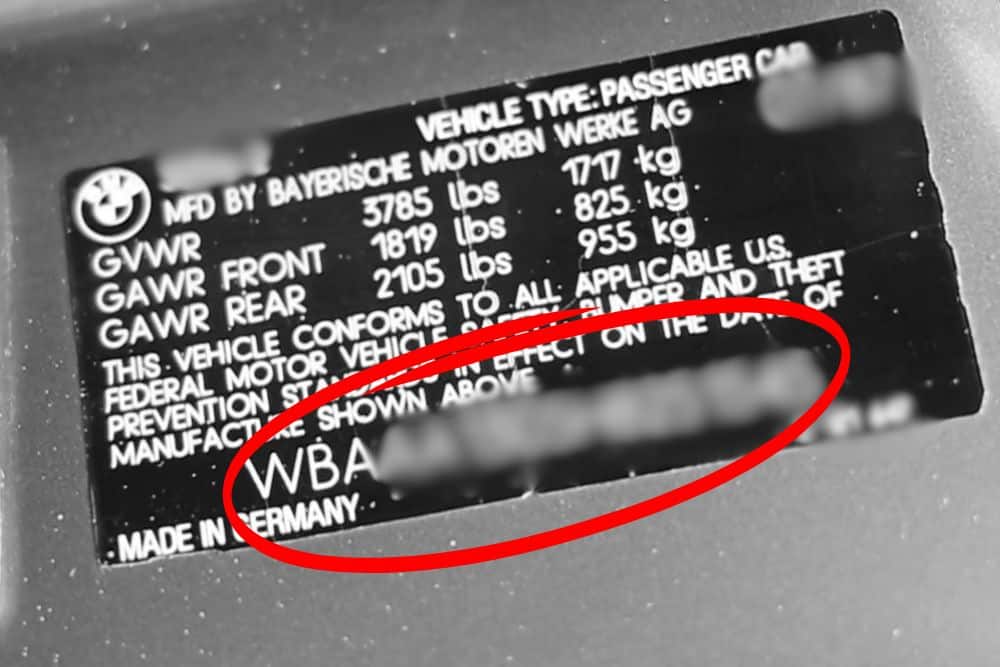
A BMW VIN number consists of 17 alphanumeric characters that provide a wealth of details about your car. To read your BMW VIN number, follow these steps:

  1. Locate the VIN:
    • The VIN can typically be found on the dashboard, near the bottom of the windshield on the driver’s side.
    • It is also listed on the driver’s door frame, vehicle registration papers, or insurance documents.
  2. Break It Down: The VIN is divided into three sections:
    • World Manufacturer Identifier (WMI): The first three characters.
    • Vehicle Descriptor Section (VDS): Characters 4 to 9.
    • Vehicle Identifier Section (VIS): Characters 10 to 17.
  3. Use a VIN Decoder:
    • For precise details, you can use an online VIN decoder specifically for BMW vehicles. You can find these easily by searching “vin decoder” on Google or other search engines.

What Does My BMW VIN Number Mean?

The BMW VIN number is structured to convey specific information:

World Manufacturer Identifier (WMI) – Characters 1 to 3

The WMI indicates the manufacturer and the country where the BMW was produced:

  • WBA: BMW vehicles made in Germany.
  • WBS: BMW M models made in Germany.
  • 5UX: BMW SUVs manufactured in the United States.

Vehicle Descriptor Section (VDS) – Characters 4 to 9

This section provides details about the car’s features and specifications, including:

  • Model: Identifies the model line, such as 3 Series, 5 Series, or X Series.
  • Body Style: Indicates whether the car is a sedan, coupe, SUV, or convertible.
  • Engine Type: Specifies the engine configuration, such as petrol or diesel.
  • Safety Features: Highlights features like airbags and seatbelt systems.

Vehicle Identifier Section (VIS) – Characters 10 to 17

The VIS contains information unique to your vehicle:

  • Model Year (Character 10): Identifies the year of manufacture (e.g., ‘A’ for 2010, ‘B’ for 2011, etc.).
  • Assembly Plant (Character 11): Specifies the factory where the car was assembled.
  • Serial Number (Characters 12 to 17): A unique identifier for your car.

Need Help Decoding Your BMW VIN Number?

As an independent BMW service workshop in Auckland, Dodson specialises in helping BMW owners understand their vehicle’s details. Whether you need assistance decoding your VIN, verifying your BMW’s history, or scheduling a service, our experienced team is here to help.

Contact Dodson today by calling 09 441 3635.

How Much Does It Cost to Replace a BMW Engine?

The cost to replace a BMW engine varies greatly, depending on factors like the model, age, and type of engine.

In this post, we’ll break down the average costs of replacing BMW engines across various models, helping you understand what to expect if your engine requires replacement.

Average Costs of BMW Engine Replacement

The cost of replacing a BMW engine can vary widely, from around $3,000 to upwards of $10,000 or more, depending on the model and type of engine. Here’s a closer look at the estimated costs across different BMW models, divided between older models (pre-2010) and newer ones.

Older BMW Models (Pre-2010)

For older BMW models, engine replacements tend to be slightly more affordable, as these engines are typically less complex and have fewer electronics. However, finding parts can sometimes be more challenging, especially for vintage or rare models. Here’s an estimate of the costs involved for some popular older BMW models:

  • BMW 3 Series (E46, E90): The 3 Series models from the late ‘90s to early 2000s are some of the most popular BMWs. A replacement engine for an E46 3 Series typically costs between $3,000 and $5,000, depending on the engine variant. The E90, which ran from 2005-2011, may cost slightly more, around $4,000 to $6,000 for an engine replacement.
  • BMW 5 Series (E39, E60): For the E39 model, running from 1995 to 2003, and the E60 model, running from 2003 to 2010, engine replacement costs typically range from $4,500 to $7,000, depending on engine size and type.
  • BMW 7 Series (E38, E65): The 7 Series models from the late ‘90s and early 2000s are luxury sedans with larger, more powerful engines. For an E38 (1994-2001) or E65 (2001-2008), you can expect engine replacement costs to range from $6,000 to $8,500.
  • BMW X5 (E53): BMW’s first SUV, the E53 X5 (1999-2006), typically has engine replacement costs ranging between $4,500 and $7,500. The price can vary based on whether it’s the inline-six or V8 variant.

These costs can vary significantly based on factors like the engine’s condition (new, rebuilt, or used) and whether the replacement is done at a BMW dealership or an independent repair shop.

Newer BMW Models (Post-2010)

Newer BMW models often have more complex engine systems, including advanced electronics and turbochargers. As a result, engine replacements for these models tend to be more expensive.

  • BMW 3 Series (F30, G20): The F30 generation (2012-2019) and the latest G20 (2019-present) both feature turbocharged engines that can be costly to replace. For a new or rebuilt engine, the cost can range from $6,000 to $9,000.
  • BMW 5 Series (F10, G30): The 5 Series models from 2010 onwards include turbocharged four-, six-, and eight-cylinder engines. Replacing these engines can cost between $7,000 and $10,000.
  • BMW 7 Series (F01, G11): The 7 Series continues to be one of BMW’s luxury flagships, equipped with powerful engines. Engine replacement for the F01 (2008-2015) or G11 (2015-present) may cost anywhere from $8,000 to $12,000, depending on the engine variant.
  • BMW X5 (F15, G05): The X5’s F15 model (2013-2018) and the latest G05 (2019-present) include options for twin-turbocharged V8 engines, making engine replacement more expensive. Expect to pay around $8,000 to $11,000 for a new or rebuilt engine.

For newer models, opting for a used or remanufactured engine can help lower costs, but keep in mind that installing a used engine may come with additional risks and a shorter warranty period.

Factors Affecting the Cost of a BMW Engine Replacement

Several factors contribute to the overall cost of replacing a BMW engine, including:

  1. Engine Type: BMW offers various engine types, from four-cylinder turbos to inline-six, V8, V10 and even V12 engines. Generally, the more cylinders or turbochargers an engine has, the more expensive it is to replace.
  2. Parts and Labor: Labour costs can add significantly to the overall expense. Replacing a BMW engine requires specialised skills, and the complexity of the job often demands several hours of work.
  3. Condition of Replacement Engine: BMW engines can be purchased as brand new, rebuilt, or used. A new engine is the most expensive option but often comes with a full warranty. However, a brand new engine may not be available for all models, especially older ones. Rebuilt engines are more affordable and have some warranty coverage, while used engines are the cheapest but carry the highest risk and may lack warranty.
  4. Model Year: Older models generally have less complicated engines, making them more affordable to replace. Newer models often have advanced technology and more sensors, which can increase replacement costs.
  5. Where You Get the Replacement Done: Opting to replace the engine at a BMW dealership will likely cost more than using an independent BMW specialist.

Additional Costs to Consider

Aside from the engine replacement itself, there may be additional costs involved, including:

  • Diagnostics and Testing: Before replacement, diagnostics are essential to confirm that the engine is the only component needing attention.
  • Additional Repairs: If there is damage to other components, such as the transmission or cooling system, those may also need repairs. It’s common for other parts, like hoses, belts, and seals, to be replaced alongside the engine, adding a few hundred dollars to the final bill.
  • Towing: If your BMW is not drivable, you’ll need to factor in towing costs, which vary depending on distance but generally range from $50 to $200.
  • Certification: If you choose a larger or more powerful engine, you’ll need LVVTA certification, which adds approximately $700 to your expenses and additional time to go through the process.

Need Your BMW’s Engine Replaced?

We offer BMW servicing and repairs in Auckland and are able to replace your BMWs engine if you are having problems. Speak to us today by calling 09 441 3635 or emailing service@dodsonmotorsport.com.

How to Check Transmission Oil on a BMW

Checking BMW Transmission Oil

Need to check the transmission oil in your BMW?

Depending on which BMW you have, there are different procedures you need to follow.

In this blog, we will cover how to check the transmission oil of models both with and without a dipstick for the transmission.

How to Check BMW Transmission Fluid Levels

Here are the procedures you need to follow for checking the transmission fluid level on your BMW.

Regardless of which transmission you have, you will want to warm up the fluid, ideally by driving the car for a short trip.

For Transmissions With a Dipstick (Older Models)

  1. Find the transmission fluid dipstick, which is usually located near the oil dipstick under the bonnet.
  2. Remove it and check the fluid—it should be clear with a light pink hue. If it appears dark or has a burnt smell, it may be time to change it.
  3. Clean the dipstick, reinsert it completely, then remove it again to check the level. If it’s below the Full mark, use a funnel to add the correct type of transmission fluid.
  4. Regularly checking this each month can prevent future problems.

Sealed Transmission Procedure

Sealed transmissions in BMWs need a particular method for checking as they don’t have a dipstick.

You must go to a professional who can access the fluid through service ports. Only qualified technicians should manage this task to prevent damage to your system.

Although these transmissions are sealed, they still need regular maintenance. If you hear unusual sounds, experience hesitation in changing gears, or face delays when accelerating, these might indicate that the fluid levels or quality are affected.

It’s advisable to have these checks carried out during regular service visits. This ensures your transmission works well and prolongs its life, keeping your BMW in excellent condition without unnecessary complications.

Manual Transmission

Manual transmissions typically do not have any way to check the fluid. The only way to check the fluid is to drain and refill the gearbox.

How Often Should You Check Your Transmission Fluid

Under normal conditions you shouldn’t need to regularly check your transmission fluid.

The only reason to do so would be if you notice leaking and need to make sure you have enough fluid in the transmission.

BMW transmissions have “lifetime” fluid, though this should be changed around the 100,000kms mark.

Need Your BMW’s Transmission Fluid Changed?

As BMW service specialists in Auckland, we can carry out all transmission servicing on your BMW.

To get your fluid changed, speak to us today by calling 09 441 3635 or emailing service@dodsonmotorsport.com.

How to the Check Oil Level On a BMW

BMW Engine

When maintaining your BMW, it’s essential to check the oil level regularly to ensure your engine operates efficiently.

However, it might not be as simple as it may seem, since newer BMWs do not have a dipstick.

In this blog, we will explain the process of checking the oil on your BMW for both models with and without a dipstick.

How to Check and Top Up Oil On BMWs

On BMWs With a Dipstick

Here is the process for checking the oil on your BMW which has a dipstick:

  • Park on Level Ground: Make sure your vehicle is on a flat surface for a correct reading.
  • Use the Dipstick: After letting the engine cool, remove the dipstick (usually a red or yellow handle). Clean it off, put it back in, then take it out again to see the oil level.
  • Add Oil if Needed: If the level is low, check your owner’s manual for the recommended oil type. Use a funnel to slowly add oil, checking regularly so you don’t put in too much.
  • Recheck and Replace Cap: After adding oil, check the level again and ensure the filler cap is tightly secured.

On BMWs Without a Dipstick

For BMWs without a dipstick, you will need to check the oil level through the iDrive system. Here’s how you do this:

  • Turn on the ignition (without starting the engine).
  • Go to the iDrive system (BMW’s infotainment system).
  • Navigate to “Vehicle Info” or “My Vehicle,” then select “Vehicle Status.”
  • Look for “Engine Oil Level” and select it.
  • The system will measure the oil level electronically and display the result.
  • If you need to top it up, do so and then repeat this process.

How Often Should You Check the Oil?

Your BMW’s performance and longevity depend on regular oil checks, ideally done at least once a month.

Before any long journeys, it’s essential to check your oil to avoid unexpected engine problems. If you’re driving an older model, you might need to check your oil more frequently, as these cars can lose or burn oil quicker.

Regular monitoring of your oil level not only keeps your engine running smoothly but also ensures you’re on track for necessary oil changes, typically every 10,000-15,000 kilometres.

Need Your BMW’s Oil Changed?

We specialise in servicing BMWs in Auckland. If you need your oil changed, speak to us today by calling 09 441 3635 or emailing service@dodsonmotorsport.com.

Are BMWs Expensive To Repair In New Zealand?

This question often pops up for car owners considering purchasing a BMW or those who already own one.

In this article, we will explore the factors that contribute to the cost of BMW repairs in New Zealand. From the availability of parts to labour costs, we will delve into the nitty-gritty details to help you make an informed decision if you are considering buying a BMW.

Additionally, we will touch upon the reliability of BMWs in New Zealand and highlight common repair issues that owners may face. But don’t worry, we will also provide some useful tips on how to minimize BMW repair costs.

So, if you’re curious about the expense of maintaining a BMW in New Zealand, keep reading to find out more.

Blue BMW 4 Series

Factors That Can Affect the Cost of BMW Repairs

Availability of BMW Parts in New Zealand

Finding parts for your BMW in New Zealand these days is typically not a problem, especially for newer models. While BMWs are a luxury vehicle and may not be as common as more economical cars, meaning parts are not as common, it is typically not an issue to get a part when you need it.

There are several reputable shops and online platforms that specialize in BMW parts and can provide you with the necessary components for repairs. This is something that we a Dodson can help you with, along with service and repair of your BMW.

Labour Costs for BMW Repairs

Due to the specialized knowledge and expertise required to work on BMW vehicles, labour costs for fixing BMWs can be a bit higher compared to cheaper, more common cars.

The complexity of BMW engines and the advanced technology incorporated in these vehicles contribute to the higher labour costs, as more work and more specialised equipment is typically required to do the job correctly.

However, it is worth noting that investing in skilled technicians and high-quality repairs will help ensure the longevity and performance of your BMW in the long run.

Reliability of BMWs in New Zealand

Owning a BMW comes with the perk of reliable performance. BMWs are known for their exceptional build quality and engineering, which translates to a reliable driving experience in New Zealand. The brand has a strong reputation for producing cars that are built to last and hold their value well.

BMWs are equipped with advanced technology and safety features, ensuring a smooth and dependable ride on New Zealand roads.

However, it is important to note that like any other car, BMWs may require repairs and maintenance over time. Regular servicing and timely repairs can help prevent major issues and keep repair costs manageable.

Common Repair Issues for BMWs

Black BMW 3 Series

One aspect that sets BMWs apart from other vehicles is their reputation for exceptional engineering and build quality, but it’s important to be aware of common repair issues that can arise.

Electrical Systems

One common repair issue for BMWs in New Zealand is electrical problems. This can include issues with the battery, wiring system or other electrical components, which can lead to various electrical malfunctions.

Cooling Issues

Another common issue is with the cooling system. BMWs tend to have a lot of plastic parts in the cooling system, leading to issues such as coolant leaks or radiator problems.

Suspension Wear

Additionally, BMWs tend to have complex suspension designs which can result in problems with their suspension system, particularly with the control arms and bushings, which can lead to a rougher ride and decreased handling performance.

Tips for Minimizing BMW Repair Costs

BMW E39 5 series

To save on BMW maintenance expenses, it is crucial to follow a few smart strategies that can help keep repair costs in check.

The number one thing that will keep repair costs down is staying on top of maintenance tasks such as oil changes, tire rotations, and regular inspections. By doing so, you can catch potential issues early on and prevent them from escalating into more expensive repairs.

Not skimping out on servicing is also a big factor. Many people try to use cheaper oils or parts to try and save money, but this can cause serious issues. For example, many BMWs are designed to use a specific type of oil, and using the wrong oil can cause catastrophic damage to the motor.

Preventative maintenance also goes a long way, particular with the known failure points with these cars, such as the cooling systems. If you replace parts early before there is an issue, you will not only save yourself the headache of a part failing at an inconvenient time, but it will also prevent more serious damage from occurring (such as overheating).

Need to Get Your BMW Repaired?

We at Dodson Motorsport specialise in BMW servicing and repair in Auckland. If you need to do a service, preventative maintenance or repair a problem that has come up, we can help! Call us today by clicking the button below and we will get your BMW sorted!

A Special Nissan GTR Gets Serviced a Dodson

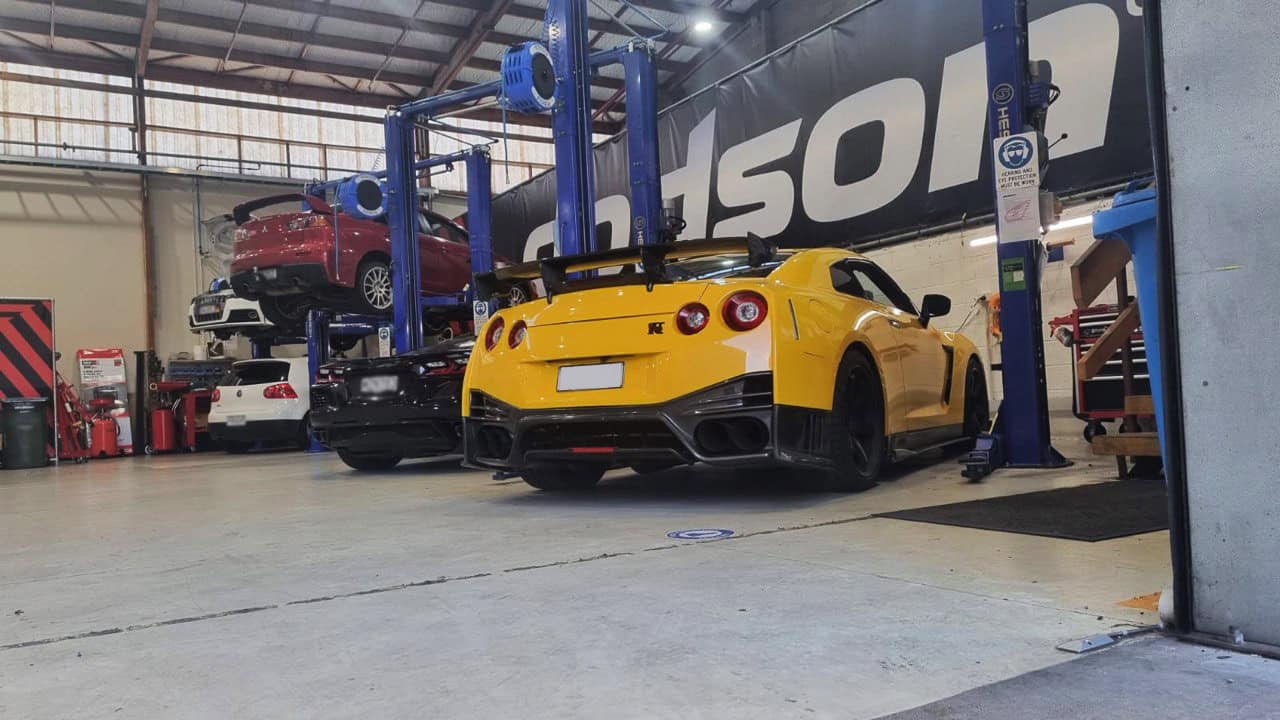
Recently we had a visit from a rather special Nissan GTR that came in for our comprehensive Nissan GTR service.

Yellow Nissan GTR

In preparation to attend a couple of upcoming events including Nationals and Clubfest, we made sure that everything was serviced and ready to go so that the owner could enjoy the car’s full performance reliably.

As you can probably tell, this isn’t your ordinary GTR. This one has been upgraded with a facelift EBA kit along with a number of other modifications and a striking yellow paint job which suits it really well and makes it stand out.

Yellow Nissan GTR Yellow Nissan GTR Yellow Nissan GTR Yellow Nissan GTR After our service, the owner can be confident that the car will perform at its best for the coming events.
If you have a Nissan GTR you need serviced, be sure to contact us today.

We offer premium servicing for all GTR models and as GTR specialists, we are also able to help you with upgrades and modifications.

Speak to our team today by calling 09 441 3635 or emailing .

Nissan Skyline GTR R34 Rebuild by Dodson

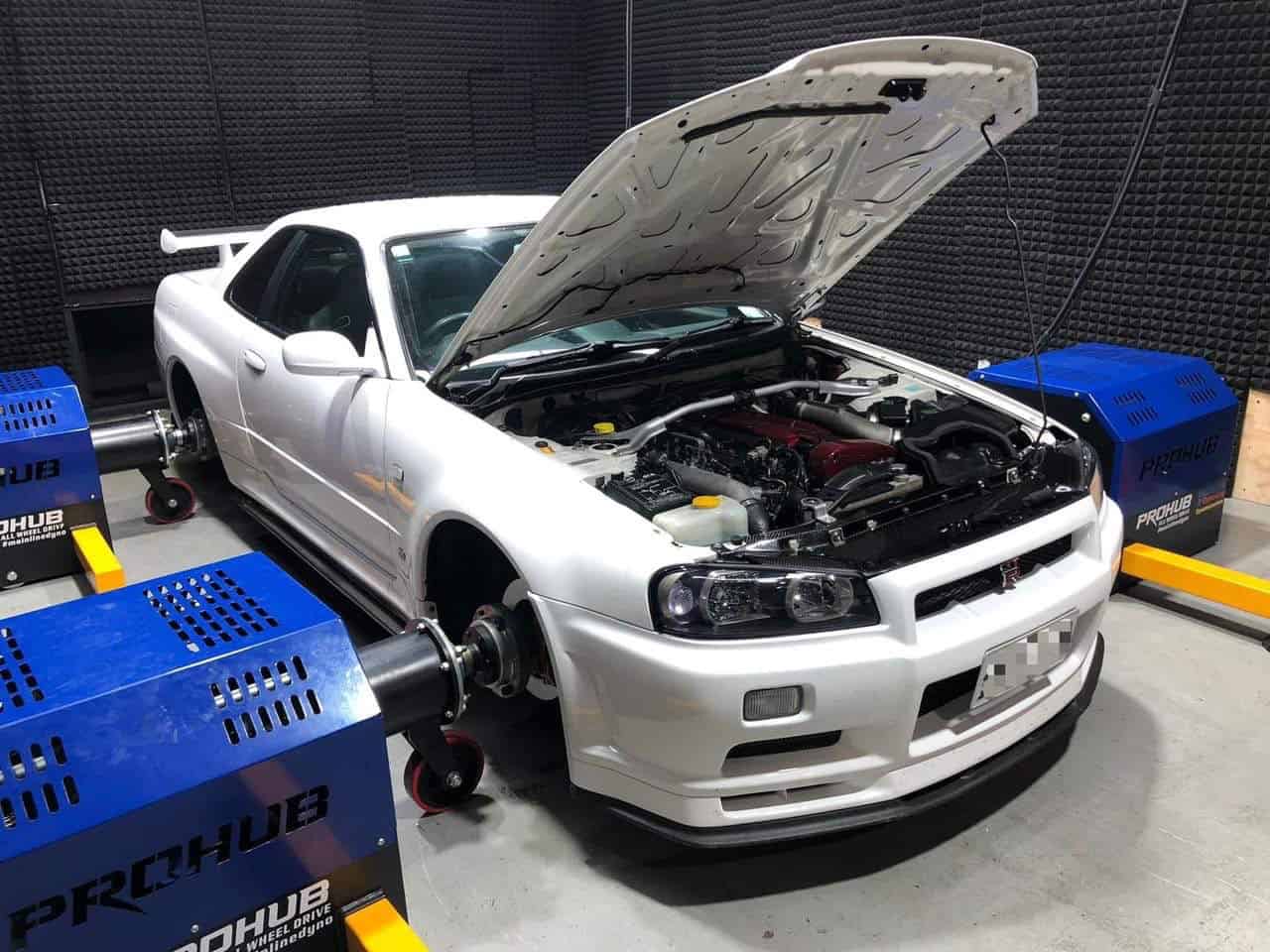
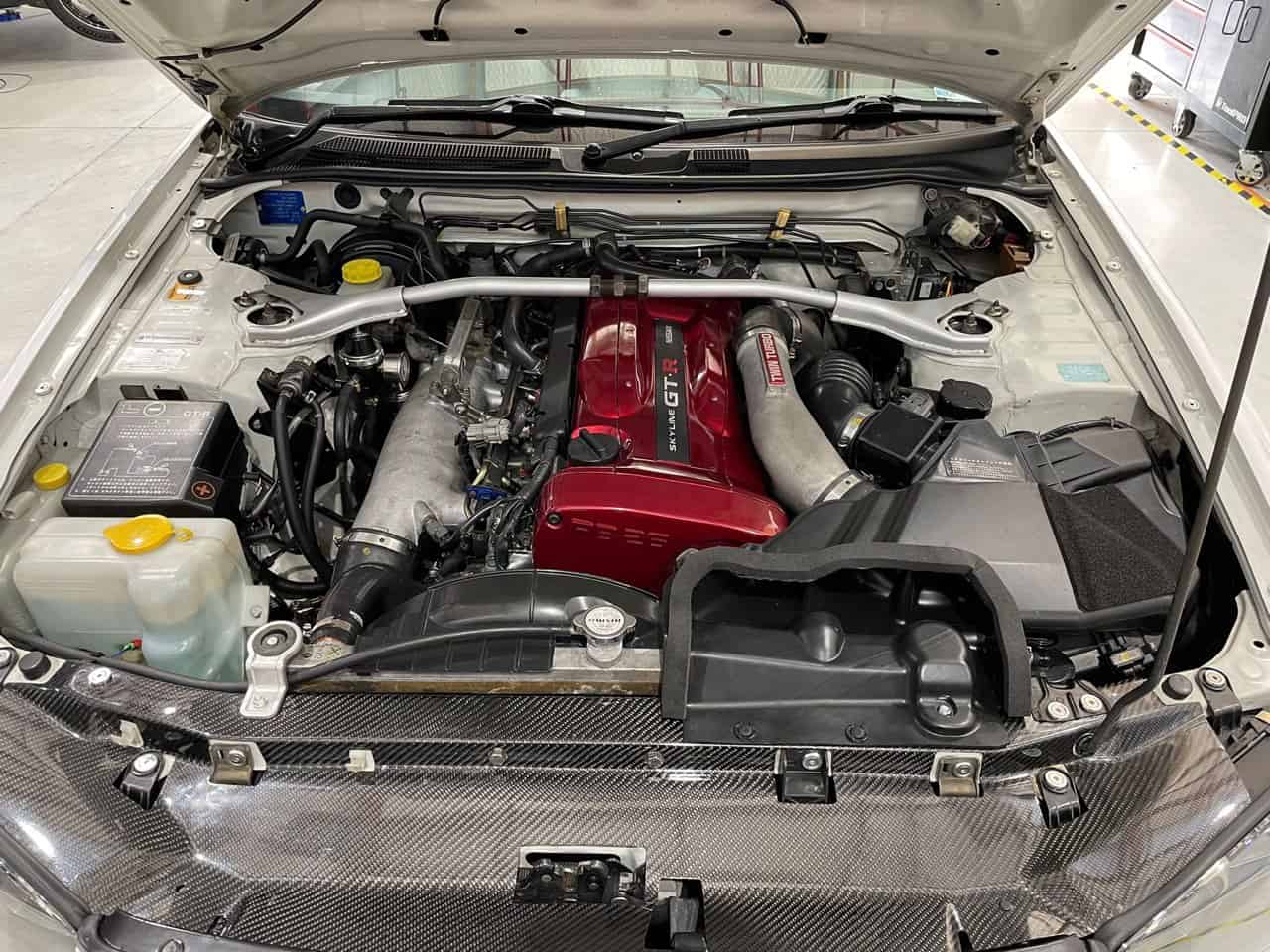
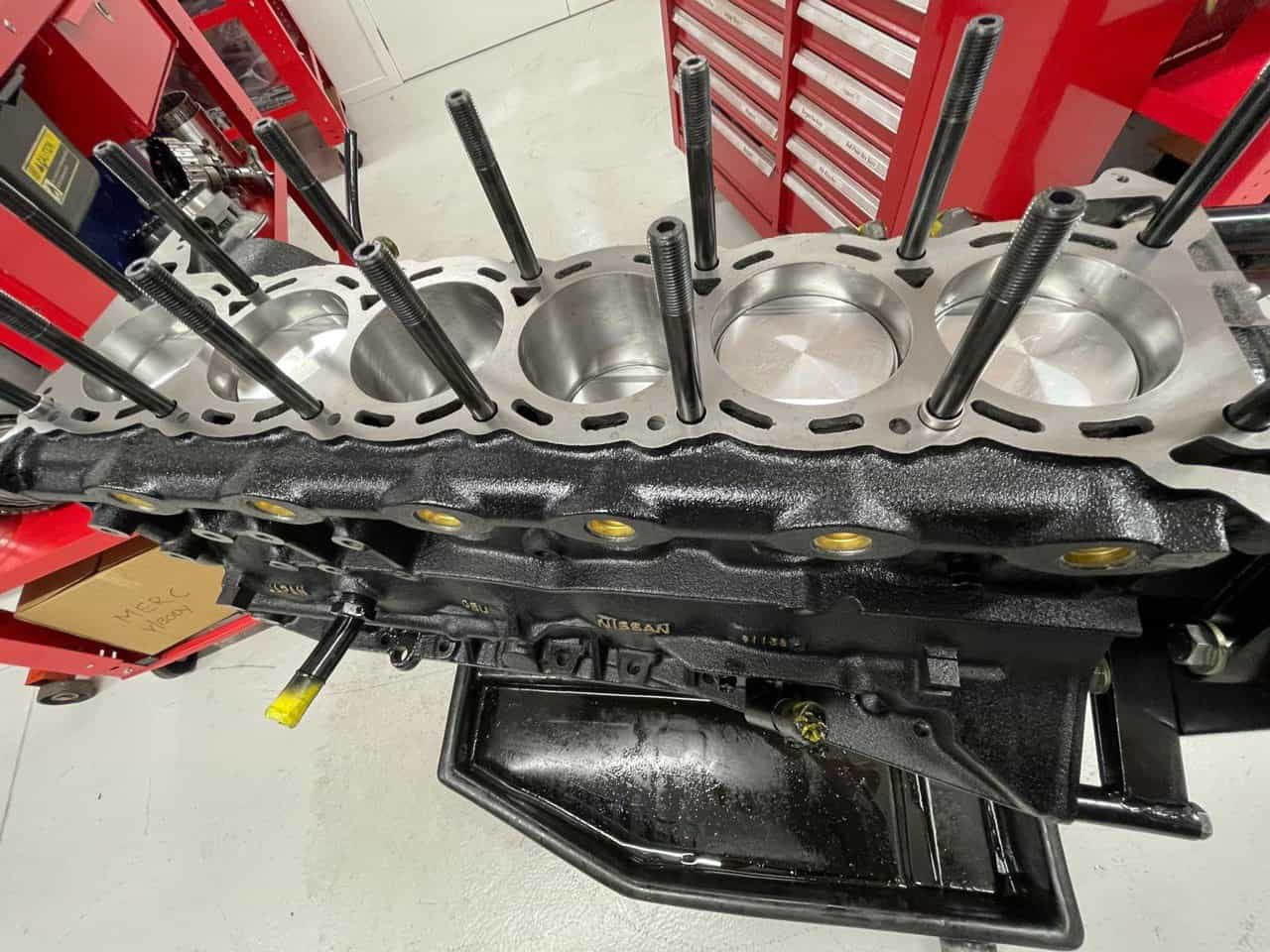
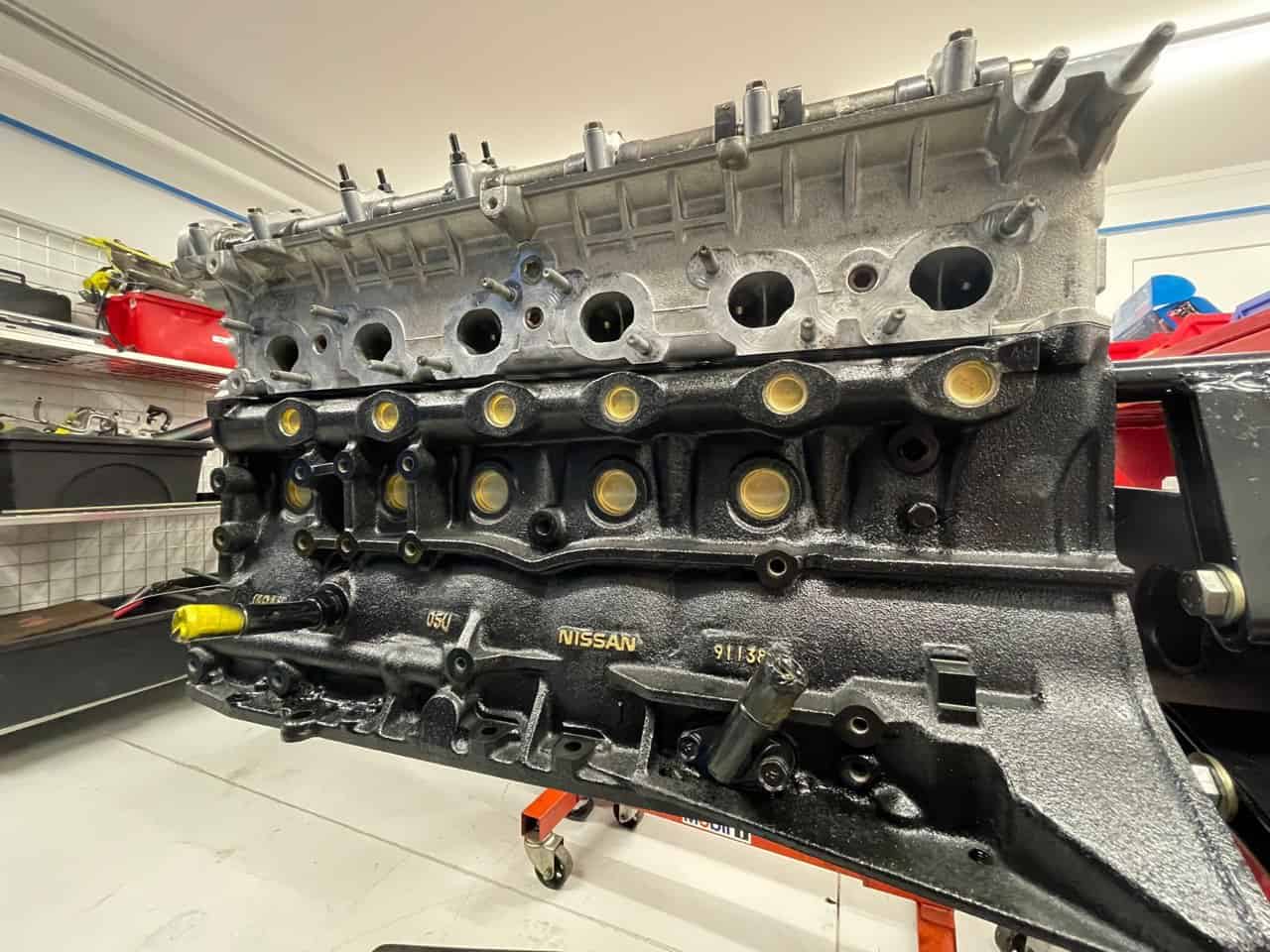
A ‘99 Nissan Skyline R34 GTR came to us at Dodson with a damaged motor due to some unknown previous debris that was left inside.

We set about rebuilding the motor which included replacing the pistons with new CP forged oversized units, all new ARP bolts and studs and ACL bearings through out. We fitted a Tomei MLS head gasket and oil restrictor, and an N1 Nissan oil pump. The cylinder head was given an OEM refresh. We also had the turbos rebuilt with new upgraded steel wheels.

Here is the engine complete and back in the car:


Then we put the car on the dyno:

It made 320whp on the factory boost controller. Not a bad result at all.